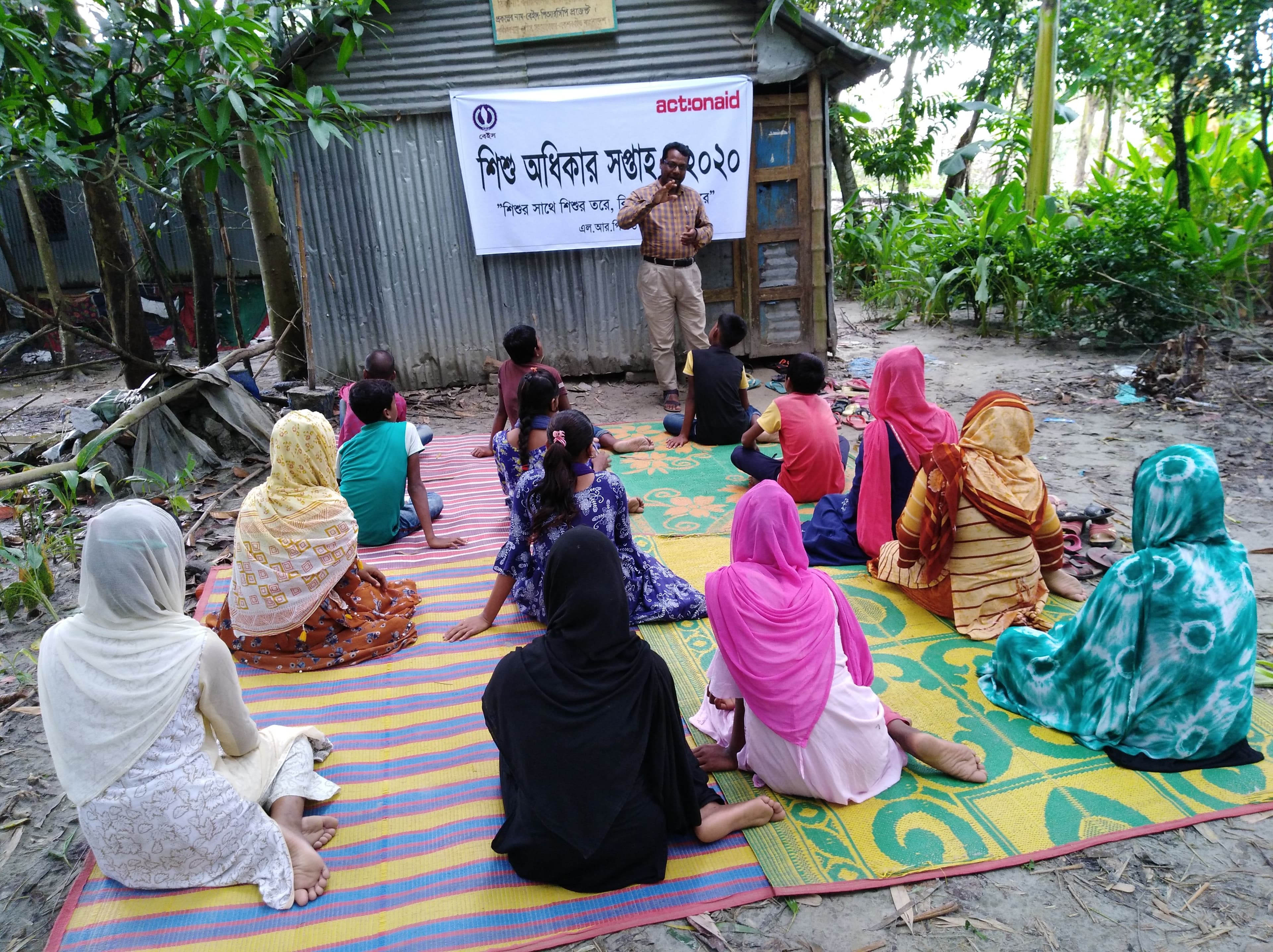
Child Sponsorship & Child Rights Programme
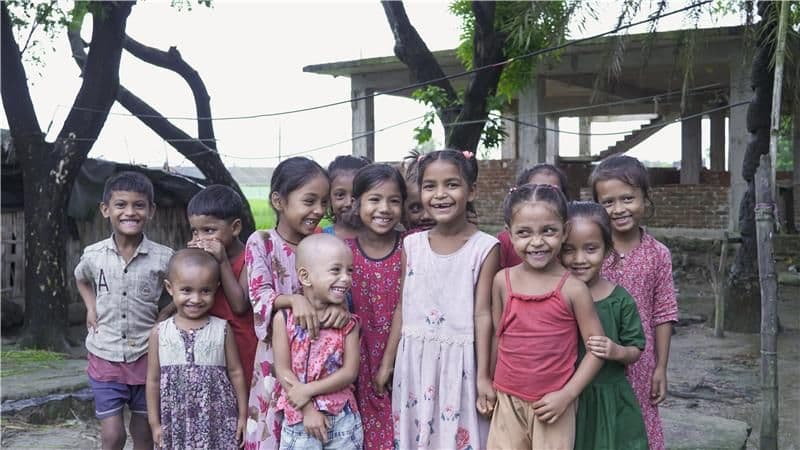
ActionAid Bangladesh’s Child Sponsorship and Child Rights Programme (CSCRP) is deeply committed to the holistic development, protection, and empowerment of children, particularly those from marginalised communities. This integrated programme combines child sponsorship with strong advocacy, addressing pressing issues like child labour, child marriage, lack of education, and systemic injustices that restrict children’s rights and opportunities.
Background
A key focus of the programme is community-based child-centered initiatives, where children actively participate in Local Rights Programs (LRPs). These initiatives raise awareness on critical issues such as child protection, climate change, early childhood education, and other child-centered issues. CSCRP empowers them to advocate for their rights and the welfare of their peers. It nurtures future leaders who actively challenge the barriers that affect their communities.
In addition to local initiatives, ActionAid Bangladesh plays a significant role in influencing national and global child rights policies. It is an active member of influential coalitions such as the Child Rights Advocacy Coalition Bangladesh (CRACB), the National Girl Child Advocacy Forum (NGCAF), the Child Protection Cluster, and the Child Labor Monitoring Committee. These collaborations encourage collective action, advocacy for systemic change and ensure that children’s rights are prioritised at every level – local, national, and global. Through these partnerships, ActionAid provides immediate support and also works to reform policies that address the root causes of child rights violations and ensure a better future for every child.
Children currently in friendship through sponsorship: 15,000+
Ongoing Projects
Empowering Girls & Combating Child Marriages in Kurigram
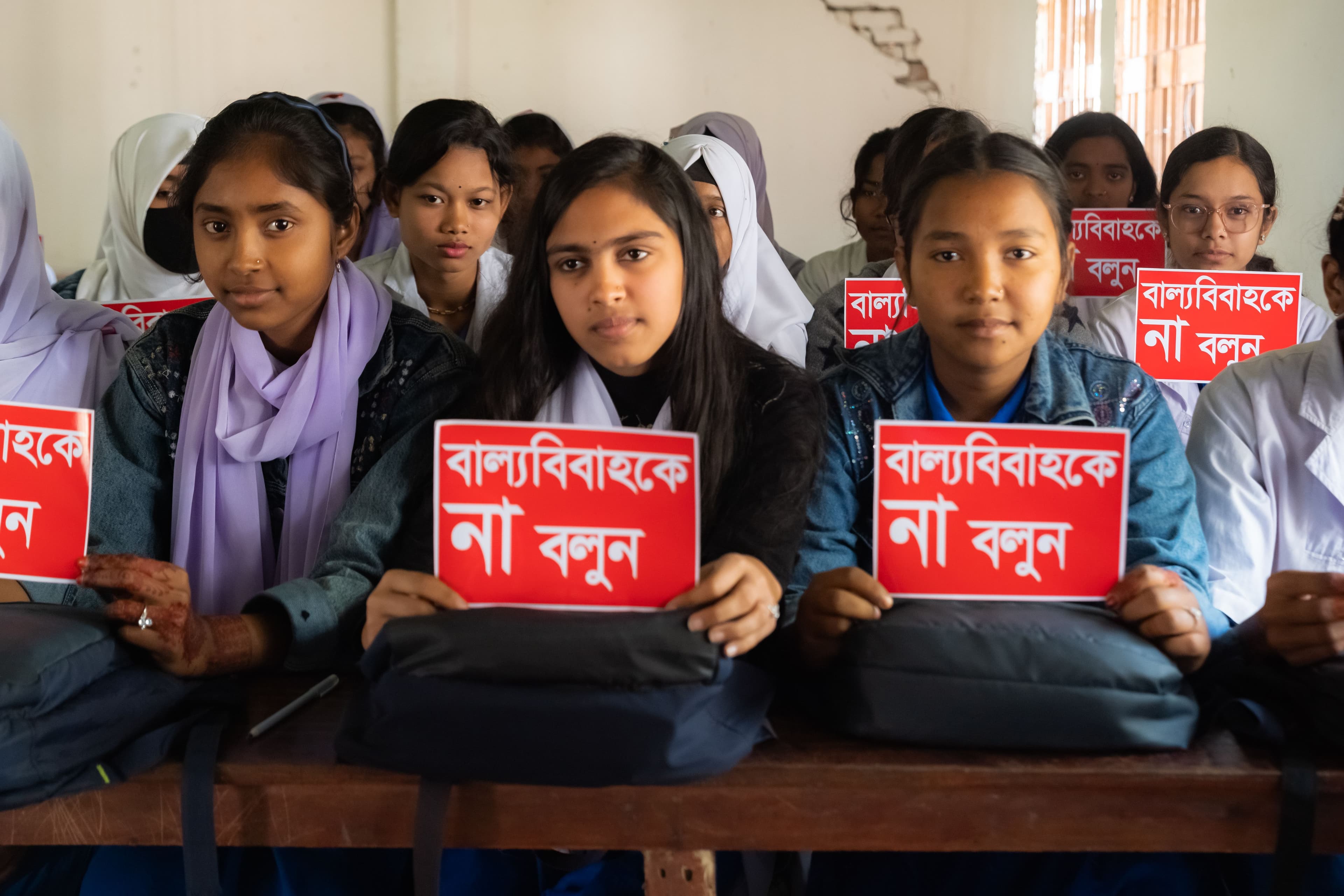
Child marriage remains a serious challenge in Bangladesh, with 51% of girls married before 18 (UNICEF, 2022). Poverty, harmful social norms, limited education, and climate-related vulnerabilities intensify the crisis in Kurigram. In response, ActionAid Bangladesh implemented a 12-month initiative aligned with its Country Strategy to advance women’s rights and gender equality. The project targeted adolescent girls, school dropouts, families, and community leaders to address root causes and strengthen local protection systems. Key interventions included psychosocial, educational, and legal support for girls; scholarships for 40 at-risk students; and income-generating assistance for 30 vulnerable families (BDT 15,000 each). A total of 191 girls and women received skills training in sewing, eco-friendly packet making, cattle rearing, and poultry farming to promote financial independence and reduce economic pressures linked to early marriage. Community engagement was central. Three Child Marriage Prevention Committees were formed, alongside four Adolescent Clubs that have already helped prevent 18 child marriages. Fifty community sessions reached over 1,500 participants, while broader awareness activities engaged 2,400 adolescent girls. Two community-based women’s centers were established as safe spaces for learning and support. Advocacy dialogues mobilized religious leaders, teachers, marriage registrars, law enforcement, and local officials to strengthen enforcement of the Child Marriage Prevention Act. By working closely and continuously with families, community leaders, and partners, the project tackles the root causes of child marriage while creating meaningful opportunities for girls. It has increased awareness, reinforced community accountability, and boosted girls’ confidence and leadership skills. Collectively, these efforts are empowering girls in Kurigram to imagine a safer, more equitable future; one where their voices are heard, respected, and their full potential realized. Project Key Outputs Community Action Skill Development & Training Income Generating Activities (IGA) Support Education & Scholarships Adolescent Empowerment Community-Based Women’s Centers Community Celebrations & Awareness Outcome: The project empowered girls, increased community awareness, strengthened local systems, and fostered sustainable actions to prevent child marriage in Kurigram.
Read More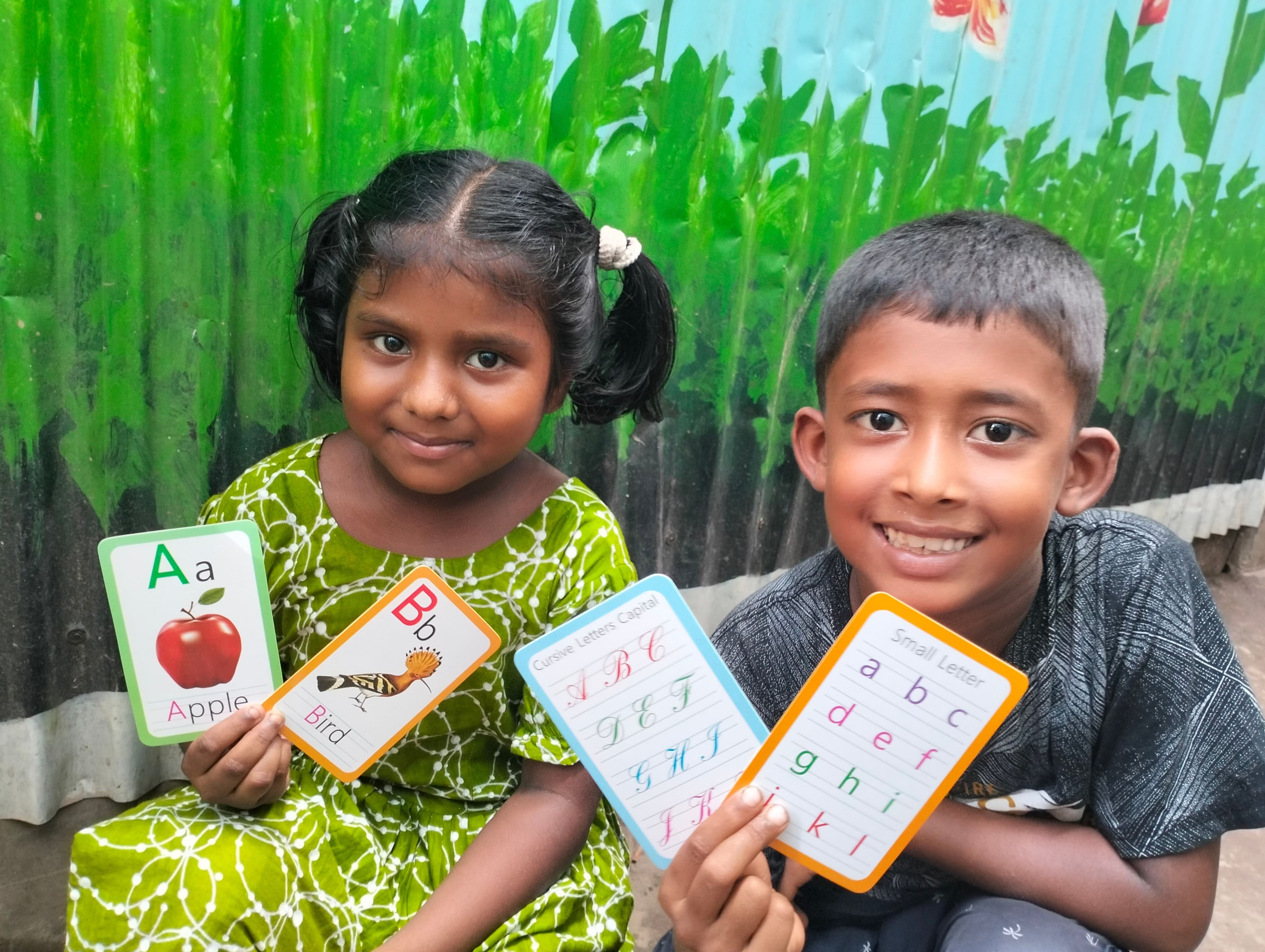
Play, Learn & Grow: Providing Safe Learning Environment for Marginalized Children in Bangladesh
The Play, Learn & Grow project was a 24-month initiative implemented by ActionAid Bangladesh with the support of ActionAid Italy. Launched in January 2023, the project aimed to create safe, inclusive, and stimulating learning environments for children from marginalized communities across nine districts in Bangladesh. Under ActionAid Bangladesh’s Child Sponsorship Programme, 82 Child Spaces operate nationwide. Through this project, 66 of these spaces were transformed into enriched, child-friendly environments. Among them, 41 centers were fully equipped with interactive play-based learning materials, while 25 received essential infrastructural improvements including electricity, lighting, fans, water filters, first aid kits, waste bins, and digital equipment. Previously, many centers lacked adequate facilities and were limited to academic tutoring. The project introduced colorful book corners, science kits, art and craft supplies, musical instruments, and indoor/outdoor games to foster creativity, critical thinking, and cognitive growth. Additionally, Early Childhood Development (ECD) training was provided to facilitators to enhance interactive, play-based teaching methodologies. Professional music teachers were also recruited in two Local Rights Programmes (LRPs) to nurture children’s creative talents. Today, nearly 10,000 children benefit from improved learning environments that promote confidence, well-being, and holistic development. Project Key Outputs As a result, Child Spaces evolved from basic academic support centers into vibrant hubs of joyful learning , creativity, and child empowerment.
Read More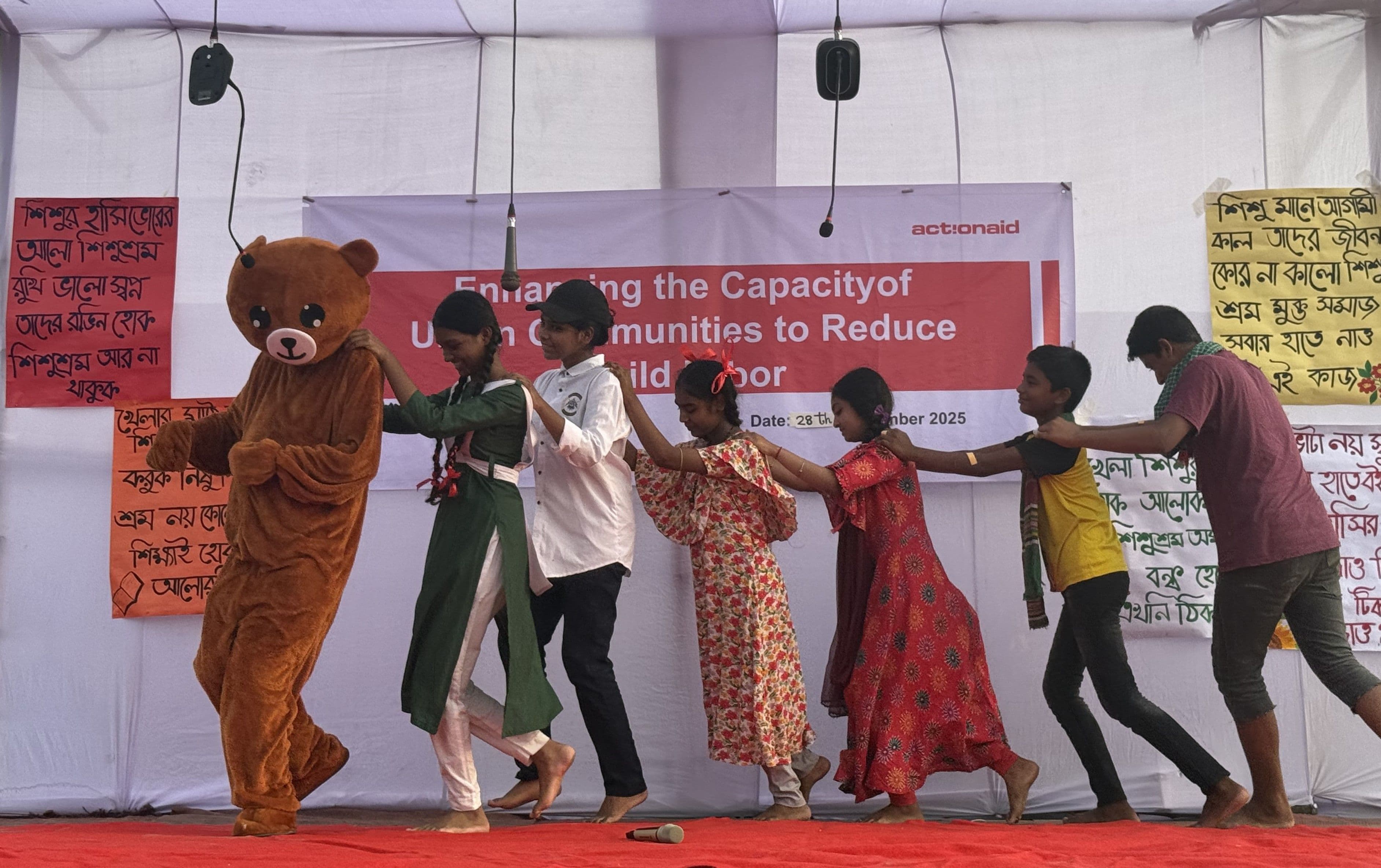
Enhancing the Capacity of Urban Communities to Reduce Child Labor
Child labor continues to be a serious challenge in urban Bangladesh, particularly in Dhaka and Chittagong, where poverty, school dropout, and limited livelihood opportunities push children into hazardous work. According to Bangladesh Bureau of Statistics (2023), approximately 1.28 million children aged 5–17 are engaged in hazardous labor, most of them in informal sectors where legal protection is weak. Implemented by ActionAid Bangladesh with support from ActionAid Italy, this project adopts a holistic and community-driven approach to address the root causes of child labor. The initiative focuses on prevention, reintegration, economic empowerment, and strengthening community-based child protection systems. The project began with child-led surveys covering 800 children to identify those at risk of dropout or already engaged in labor. Based on these findings, vulnerable children received scholarships and reintegration support to return to formal education. Simultaneously, parents were provided with income-generating skills training and startup grants to reduce household dependency on child income. Community awareness sessions and child-led street theatre performances were conducted to challenge harmful social norms and promote the importance of education. By engaging teachers, Child Protection Committees, parents, and adolescents, the project fosters shared responsibility and long-term sustainability. Through integrated economic, educational, and social interventions, the initiative contributes to building safer, more resilient urban communities where children can learn, grow, and thrive free from labor. Project Key Outputs
Read More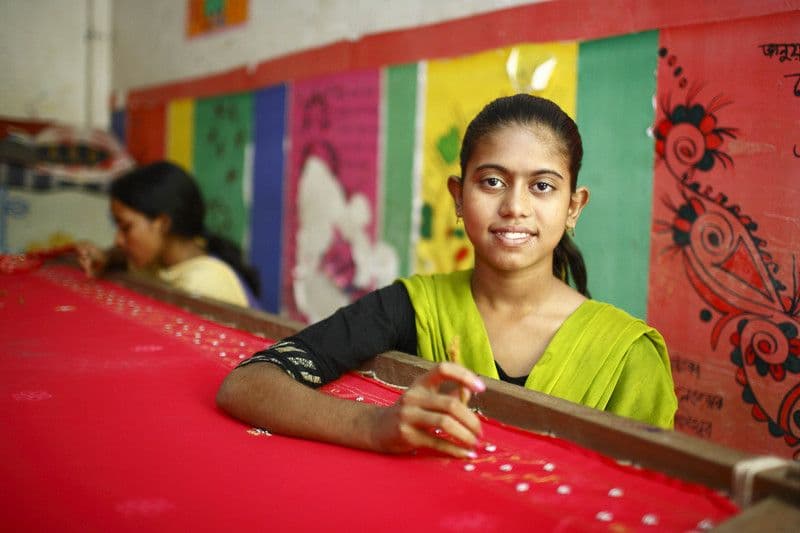
Girls Supporter Project
ActionAid Bangladesh implemented this operational plan across 10 LRPs (Thanchi–Bandarban, Biswambarpur–Sunamganj, Kalapara–Patuakhali, Chanpara–Narayanganj, Kurigram, Lalmonirhat, Shyamnagar–Satkhira, Khilgaon, Pekua–Cox’s Bazar, and Porsha–Naogaon). The project focuses on girls’ rights, women’s empowerment, climate justice, education, health, advocacy, and community resilience. The intervention addresses persistent challenges including high child marriage rates, school dropout, poverty, climate vulnerability, lack of safe water, limited access to health information, and inadequate early childhood development (ECD) services. Nearly half of women aged 20–24 in Bangladesh were married before 18, contributing to disrupted education and limited economic opportunities. This project empowers girls and young women through life skills training, vocational education, income-generating support, scholarships, self-defence training, and leadership development. Community campaigns and advocacy initiatives will challenge harmful social norms and promote child rights and gender equality. Climate resilience will be strengthened through safe water solutions, climate adaptation workshops, environmental initiatives (sapling and seed distribution), and community health camps focusing on nutrition and hygiene. Early childhood development will be improved by establishing and equipping child-friendly spaces, training facilitators, and promoting positive parenting practices. Overall, the project aims to create empowered girls, resilient communities, improved education outcomes, and sustainable social transformation by the end of 2026. Project Key Outputs By the end of 2026, the project will generate measurable and transformative results for girls, young women, and their communities across 10 Local Rights Programmes (LRPs) of ActionAid Bangladesh. Empowered Girls and Young Women Reduced Child Marriage and Harmful Practices Climate-Resilient and Healthier Communities Strengthened Early Childhood Development Enhanced Advocacy and Leadership These outcomes will contribute to measurable improvements in education retention, gender equality, climate awareness, child protection, and community resilience.
Read More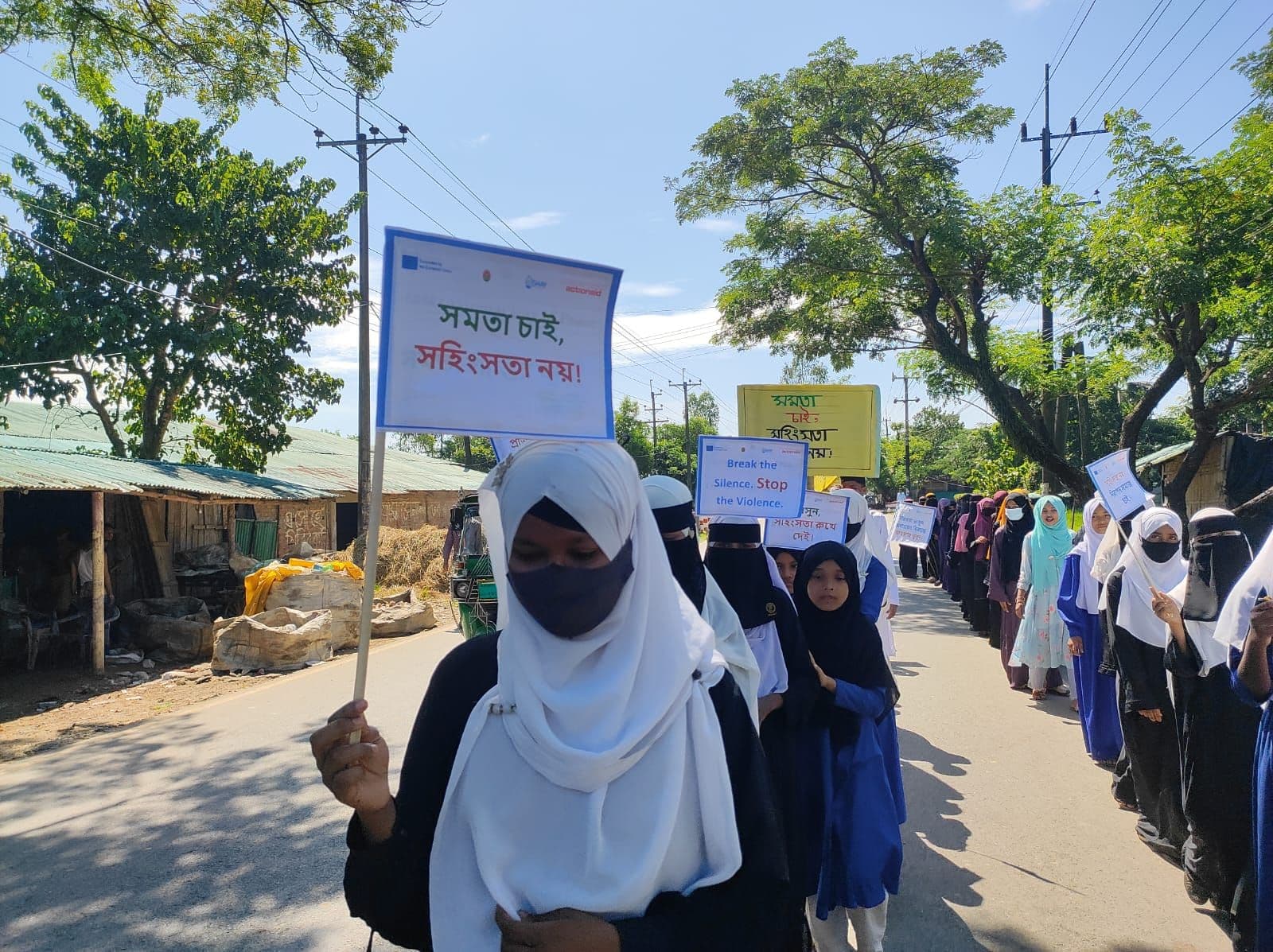
Youth-Led Peacebuilding and Social Cohesion Initiatives in Bangladesh and Myanmar
The Youth-Led Peacebuilding and Social Cohesion Project in Bangladesh addresses socio-political challenges by focusing on the conflict-ridden relationship between host and Rohingya communities. This initiative empowers youth and local organizations to lead peacebuilding efforts, fostering social cohesion and resilience. By enhancing the capacity of youth-led groups, particularly women, the project aims to tackle the root causes of conflict and promote sustainable peace. The project will involve youth change agents, individual youth peacebuilders, activists, and civil society organizations, empowering them to promote peaceful coexistence. ActionAid Bangladesh, in collaboration with the Society for Health Extension and Development (SHED), leverages its community mobilization and advocacy experience, applying a Human Rights-Based Approach and feminist lens to ensure inclusive and transformative interventions. Objectives Project Key Outputs
Read More
Eastern Flood Response in Noakhali 2025
In July 2025, intense monsoon rainfall, tidal surges, and drainage failures led to severe flooding across coastal Bangladesh, with Noakhali District among the hardest hit. The disaster affected over 230,000 people, including 44,000+ households, and displaced more than 12,000 individuals into temporary shelters. The Worst-affected Areas Flood-affected communities faced critical shortages of safe drinking water, food, and sanitation. Overcrowded shelters increased risks for women, adolescent girls, and pregnant and lactating mothers, while health issues such as diarrhoea and skin infections rose. Education and essential services were also disrupted due to facility closures. In response, the Participatory Research and Action Network (PRAAN), with funding from the START Fund Network, supported 530 vulnerable households , prioritising female-headed households, people with disabilities, the elderly, and those in temporary shelters. Each household received: To address additional vulnerabilities, 15 households with persons with disabilities received top-up cash support beyond the standard assistance.
Read MoreChild Rights Advocacy Initiatives
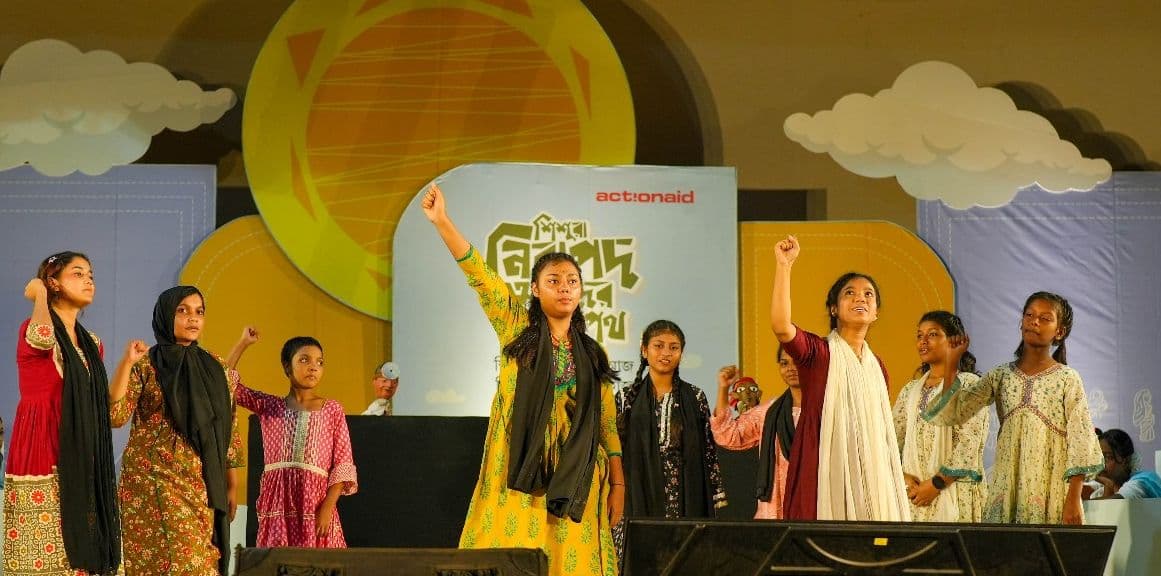
CHILD RIGHTS WEEK 2025: OUR OATH FOR SAFE CHILDHOOD
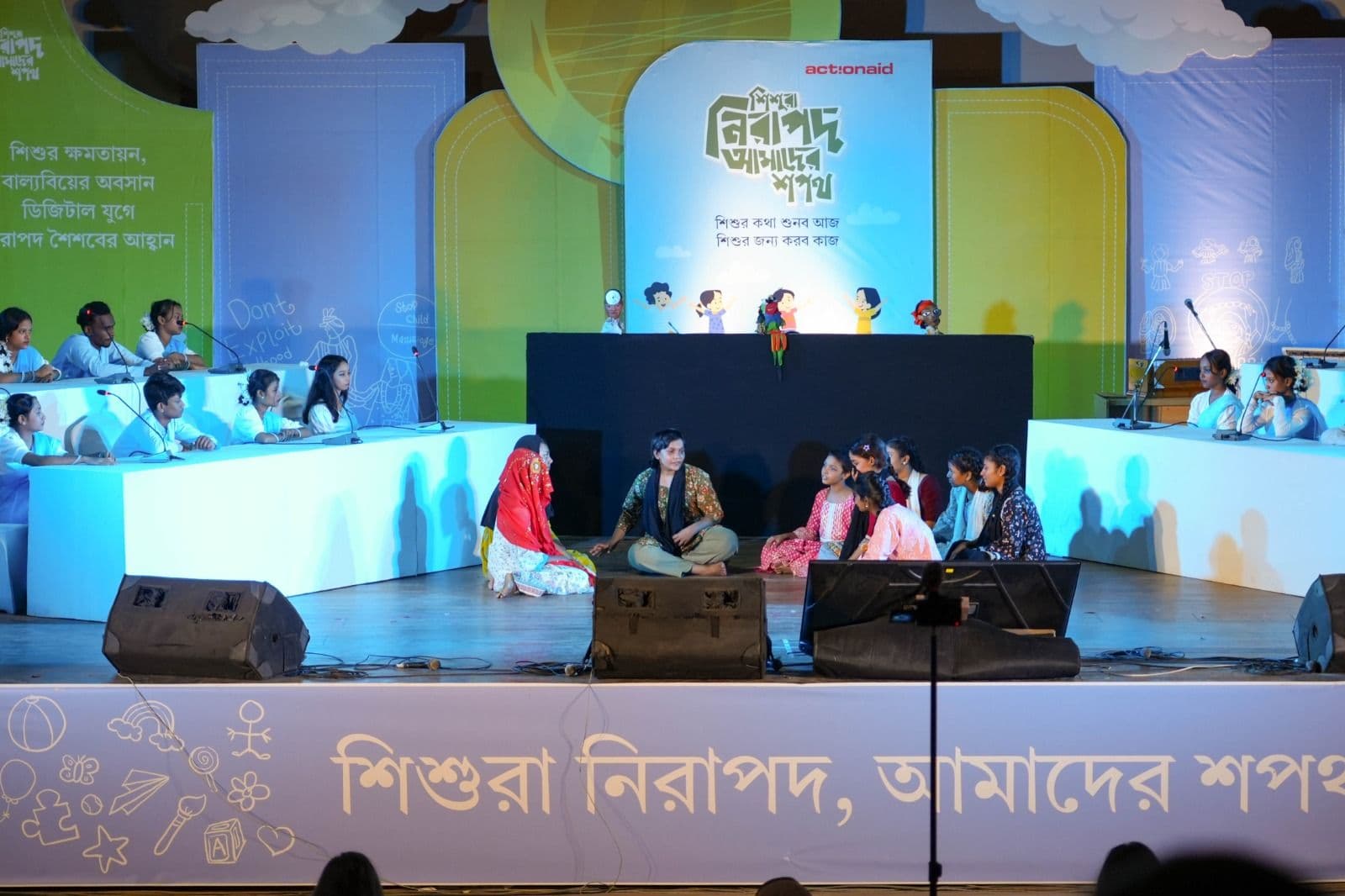
On October 21, 2025, ActionAid Bangladesh organised “Our Oath For Safe Childhood” at the Bangladesh Shishu Academy, Dhaka, as part of Child Rights Week 2025. The event provided a platform for children from across the country to share their perspectives on preventing child marriage and ensuring digital safety. Structured as a Shadow Parliament, children role-played as MPs, journalists, and community representatives, sharing real-life experiences of online risks, cyber harassment, and factors driving child marriage, including poverty, social norms, and climate displacement. Inspirational stories, such as Nodi’s journey, highlighted how friendship, support, and Child Spaces empower children and ensure safe learning. The children collectively presented a six-point manifesto calling for strict enforcement of child marriage laws, access to education, safe school facilities, digital safety education, child-friendly cyber help desks, and broader social protections. Distinguished guests, including officials from ActionAid, the Ministry of Women and Children Affairs, UNICEF, and BTRC, emphasised the importance of listening to children’s voices in policymaking. The event underscored that children are active partners in building a safer, empowered future, and their recommendations provide a vital roadmap for protecting their rights and well-being.
Read MoreFund our Future: Climate Campaign
Bangladesh, ranked as the seventh most disaster-prone country globally and is particularly vulnerable to the impacts of climate change. Extreme weather disproportionately affects children in Bangladesh, putting millions at risk from flooding and cyclones. In response, ActionAid Bangladesh launched the Fund Our Future campaign in 2023 to engage children and youth in climate justice initiatives. This initiative involved over 30,000 children across 11 districts, with activities such as “Walk for Water", drawing competitions, and environmental awareness sessions. The campaign also focused on educating children about climate change, water crises, and the importance of sustainable practices. Notably, World Environment Day celebrations included activities which addressed plastic pollution and climate change, with theatre performances by children and competitions. ActionAid’s efforts extended beyond education, with workshops on Disaster Risk Reduction (DRR), leadership training, and climate change education for 150 teachers. The organization also advocated for policy change by presenting a memorandum to government officials, highlighting the climate crisis's impact on children and proposing mitigation strategies. Through these initiatives, ActionAid Bangladesh has supported a new generation to address climate challenges and contribute to a sustainable future.
Read More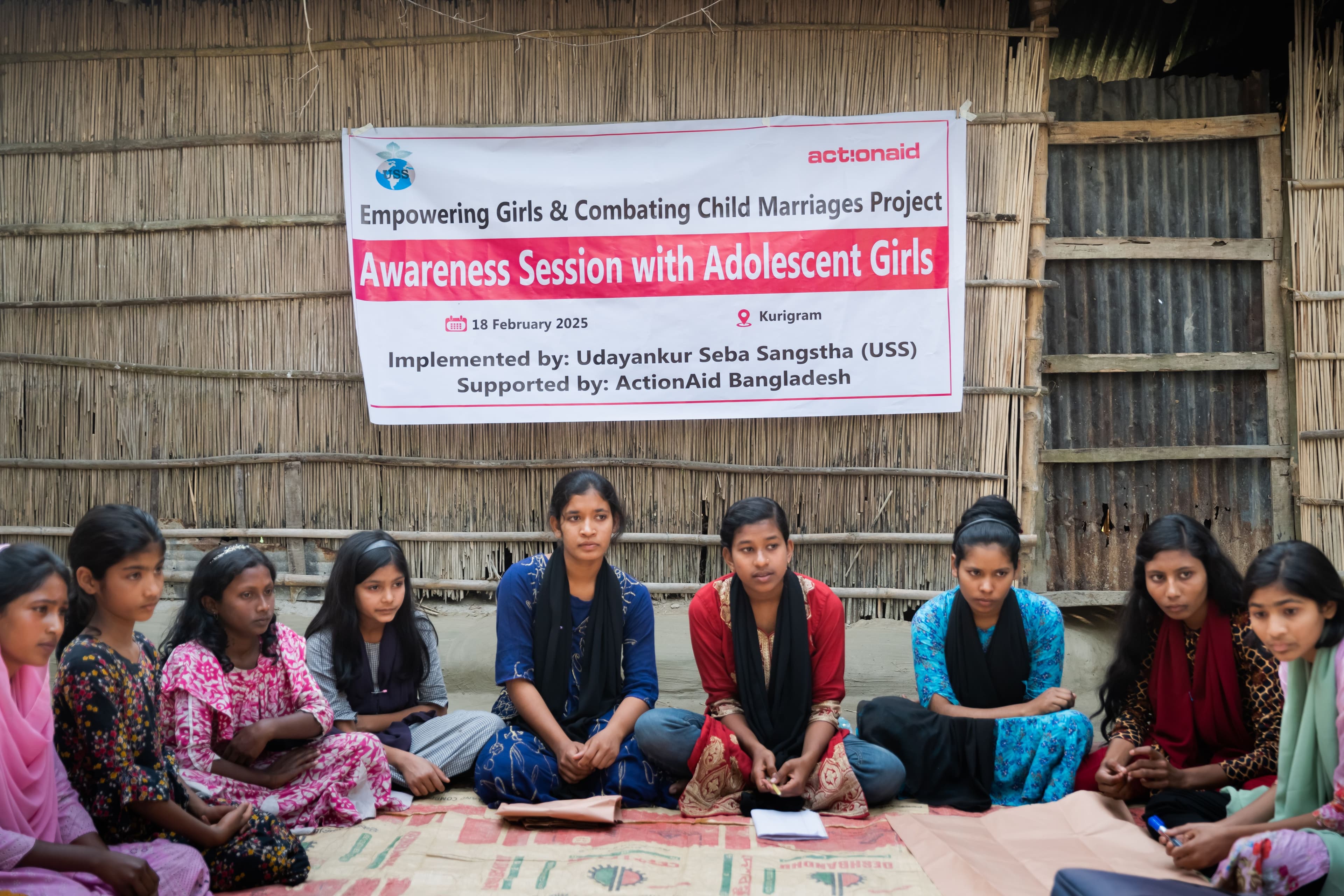
Anti Child Marriage Campaign
The Anti-Child Marriage Campaign was implemented at the LRP level to prevent child marriage by raising awareness within the community. The campaign engaged families, local leaders, and youth to highlight the detrimental effects of early marriage on girls' health, education, and future prospects. Through workshops, community meetings, and youth-led initiatives, the campaign emphasised the importance of girls' rights and equal access to education. Local stakeholders, including youth groups and women’s forums, played a crucial role in advocating for change and supporting at-risk girls. This grassroots effort sought to shift societal norms and create a supportive environment for girls to remain in school and achieve their potential.
Read MoreCapacity Building Initiative for Children


Make an Impact
Your donation helps us empower communities, fight poverty, and create lasting change. Every contribution makes a real impact in people's lives.
Impact Stories
Preventing Child Marriage: Minara’s Fight for a Future She Chose
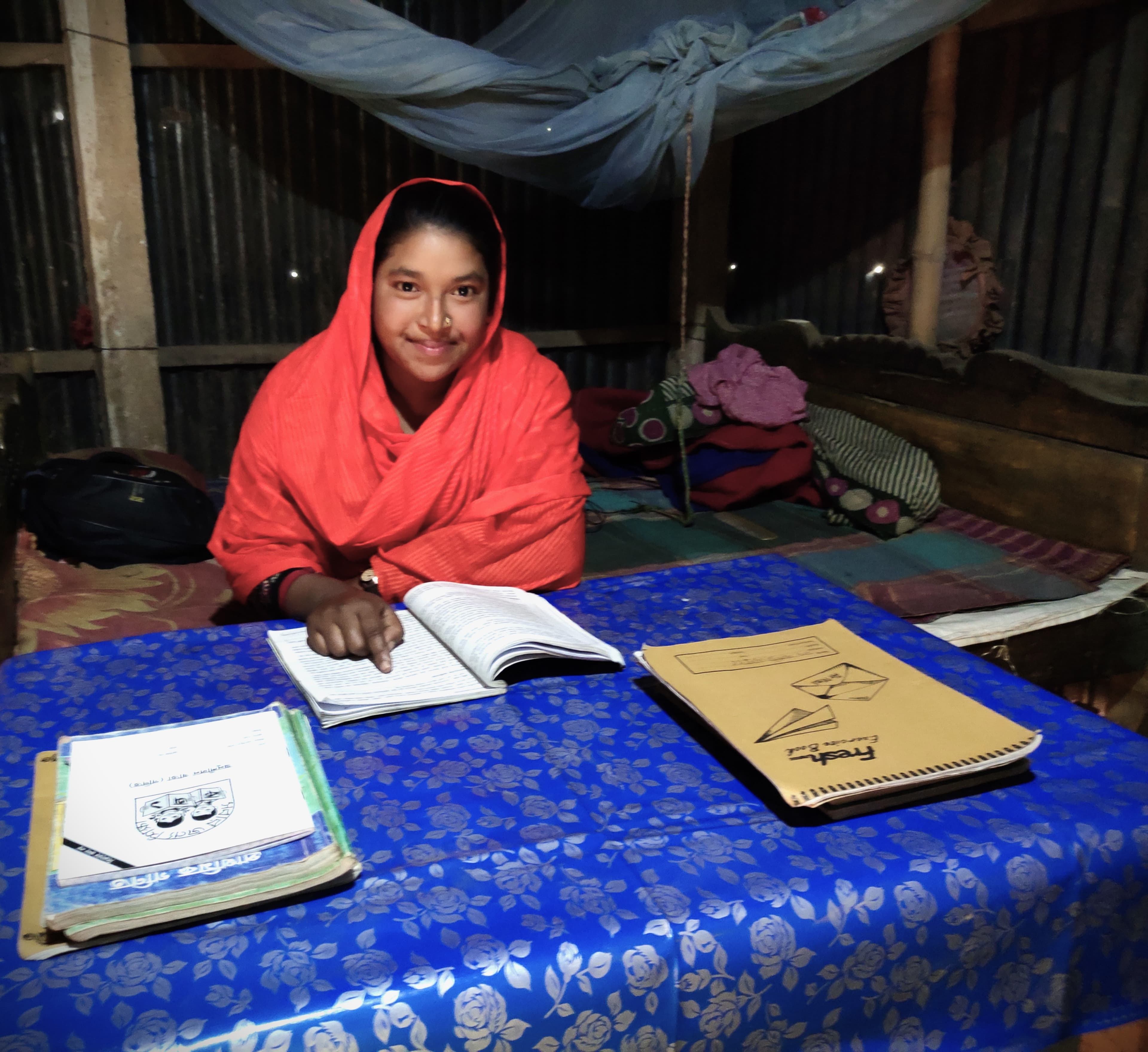
"I am beyond thrilled to be able to continue my education now. It hasn't been easy for a girl like me from a family like mine to dream big. People are as great as their dreams and while I'm not sure if I'll reach mine, I aspire to make a positive impact and support the underprivileged once I finish my education. I'm actively raising awareness in the community about the importance of education and the harmful effects of early marriage," said Minara, a 15-year-old girl who is the youngest of five siblings living in a village in Bishwamvarpur with her father, older brother, sister-in-law and little niece. Minara's sisters fell victim to early marriage, so she believed she would succumb to the same fate. Her sisters had to abandon their education, consent to marriage against their will, leave their homes, and embark on lives vastly different from their dreams. “I witnessed my sisters being forced to drop out of school. Had they been able to pursue their education, their lives could have taken a different path. They could have achieved financial independence and even supported our family,” Minara said sadly. Minara, like other marginalised girls, faced the risk of early marriage due to her family's deteriorating financial situation. Her father is unable to contribute, so the family relies solely on her brother's income as a day labourer. However, the inconsistent availability of work makes it challenging to sustain her education. Her family is barely able to provide nutritious food when there is no work. Despite the adversities, Minara has been with ActionAid Bangladesh's Child Development Centre (শিশু বিকাশ কেন্দ্র) since 2016. At the center, she learned about the importance of education for a better future and the detrimental effects of early marriage. Minara is also an active member of a Child Forum, where she has acquired leadership skills and confidence to protest harmful social norms. “Since 2016, I have been a member of the Child Forum, where enlightening discussions have deepened my understanding of children's and girls' rights,” she added. In 2023, ActionAid Bangladesh provided Income Generating Activities (IGA) support such as tailoring and dress making and seed capital of BDT 6,000 to 95 families, including Minara’s to be able to support education expenses and acquire new alternative livelihood skills. By providing tailoring services to women of the Reflection Action Circle (RAC) run by ActionAid Bangladesh and others in the community. Minara’s family now earns BDT 1,500 per month. With the additional income, Minara's brother also invested in goat rearing. Minara's family takes pride in her accomplishments and no longer presses her into marriage. They encourage others in the community to protect the rights of children and give them a chance for a brighter future.
Read More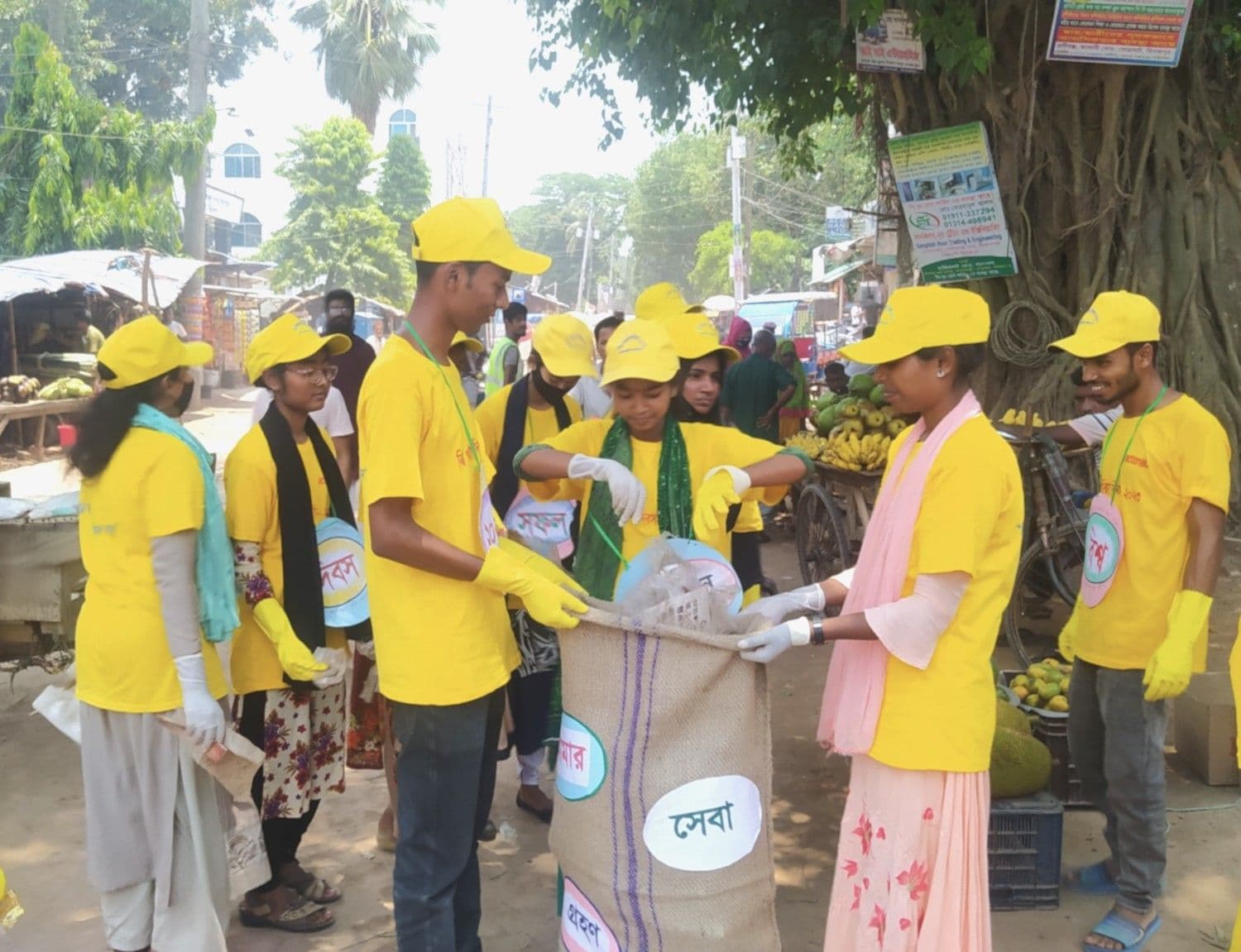
Empowering Children as Climate Justice Advocates for a Sustainable Future
Bangladesh is vulnerable to both disasters and climate change, as well as ranked the seventh extreme disaster risk-prone country in the world. This has an adverse and disproportionate impact on children, who frequently face extreme weather conditions. One in three children, approximately 20 million face significant climate threats, with 12 million at risk from fatal flooding near rivers and 4.5 million affected by strong cyclones in coastal areas. We conducted a survey in January 2023 in eight districts – Satkhira, Gaibandha, Dinajpur, Sunamganj, Patuakhali, Kurigram, Bandarban, and Chittagong to understand how climate change affects children in these districts. Access to education, salinity and water crisis, disruption in livelihood in areas highly dependent on agricultural and health issues have been cited as major impacts. Unfortunately, rural communities, often fail to grasp the importance of climate change awareness, and educational institutions neglect to raise awareness among students. We believe that engagement of children and youth in climate justice initiatives is vital in realising their rights by empowering them as agents of change to foster a sustainable and resilient future. By instilling a sense of responsibility for the planet in children, we are grooming a future generation better equipped to combat climate issues. In 2023, ActionAid Bangladesh launched a Global Climate Justice Campaign titled "Fund Our Future". 3,267 children from 11 districts participated in this campaign and activities included "Walk for Water", drawing competitions, and awareness sessions. Additionally, 6,663 children celebrated World Environment Day in June, contributing to campaigns addressing plastic pollution and solutions, engaging in creative learning activities and competitions and participating in cultural events such as stage dramas on the climate crisis theme. As a part of the Global Climate Justice Campaign, awareness about the impact of climate change among approximately 18,000 children across 11 districts in Bangladesh has been increased. ActionAid Bangladesh also hosted an event titled "Impact of Climate Crisis on Children," emphasising children as the cornerstone of a sustainable future. Distinguished subject matter experts, thought leaders, children, and activists in the field of climate change participated, offering valuable insights and recommendations for understanding the crisis and implementing sustainable solutions. A memorandum was presented which highlighted various demands regarding the impacts of climate change on children and proposed steps for mitigation. 30,000 children were involved in awareness discussions, distributing saplings and seeds, organising workshops with child forums to address plastic usage and reduce environmental pollution, providing leadership training for climate action, conducting Disaster Risk Reduction (DRR) and climate action training through demonstrations and simulations, holding sessions on climate change and disaster preparedness, raising awareness about climate change's impact on agriculture and adaptation techniques, and offering climate change education training to 150 teachers. One of the participants, seventeen year old Lamia said, “In September 2023, I got the opportunity to act in a play on climate change awareness organised by ActionAid as part of "Fund Our Future" program. Performing on stage in front of so many people was truly exhilarating for me as it was my first time. But most importantly, what brought me joy and pride was that I got to participate in such a significant campaign on climate change. Such awareness raising initiatives or events are indeed much needed for our society so that people can understand how perilous climate change is and what the ways of adaptation and mitigation are. For about one and a half months, together, fourteen of us rehearsed for this play under the guidance of a skilled trainer, which was truly special for all of us”.
Read More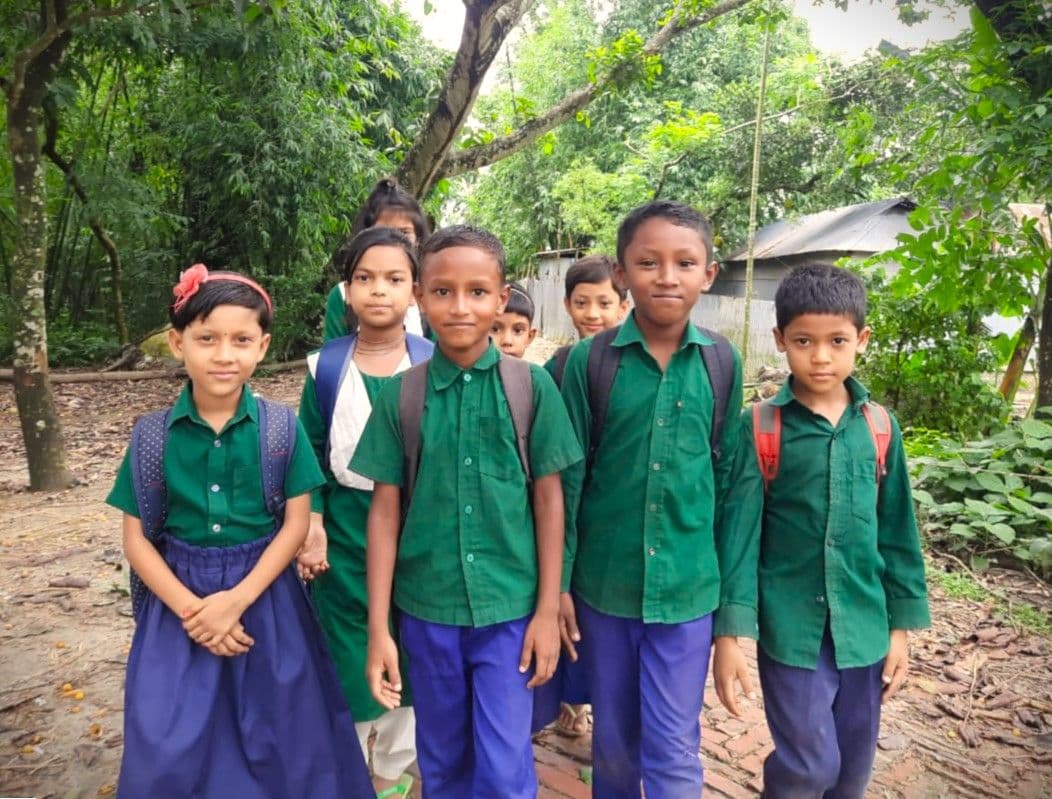
Children in Lalmonirhat are Discovering Their Skills through Co-curricular Activities
“ I felt afraid to talk to my parents before. At school I used to sit in the last bench and I could not even say my name properly in front of the teachers. Arriving at ActionAid's Child Space Center, the facilitator Apa gradually encouraged me to participate in various activities and made us aware of our rights. This is how I conquered fear. Now I am the captain of our class, I lead the regular assembly. I can talk about my wishes and dislikes with my parents and family.” Mahmudul, a 9-year-old boy studies in class 4 and has been living in Lalmonirhat with his family since birth. The scope of intellectual development was very limited in his area. Although school is the first formal institution in his life, due to lack of resources his school does not have the capacity to arrange different kinds of co-curricular activities, cultural activities, stage performances, sports, and others for their students. As a result, education in Lalmonirhat does not interest him much and the lack of opportunities to organise any event for children makes it difficult for them to increase their talents at an early age. Lack of extracurricular activities deprives them of the opportunity to fully explore their talents and potential. Mahmudul and other children like him, who live there find themselves trapped in a cycle of disengaged lives, deprived of experiences that can help them unleash their strengths and passions, ultimately limiting their overall growth and potential. ActionAid Bangladesh works in three unions of Lalmonirhat district. It’s a flood-prone disadvantaged area that needs to address the various barriers to child development. Around 320 children are directly linked in different initiatives of ActionAid Bangladesh. 8 child spaces have been formed in these 3 unions to provide various opportunities for the education and mental development of the children of 34 communities in these three unions of Lalmonirhat. Through these Child Spaces, 5 days per week, 2.30 hours of educational and co-curricular activities are conducted. Each child space is led by a trained female facilitator. Mahmudul regularly visits the Child Space run by ActionAid Bangladesh in his area and his 15 friends visit this Child Space. In his child's space, there is a facilitator who helps them with their lessons as well as engaging in various activities like drawing, dancing, singing, reciting, storytelling, and performing short plays which ultimately helps them to enjoy as well as ensure their mental development and increase their potency. In addition, a total of 12 reflection action circles were established consisting of 390 members, including mothers of these children. ActionAid Bangladesh educated these members along with other community people about the significance of children's education. They also emphasised the importance of co-curricular activities alongside regular studies, which play a vital role in promoting mental development and nurturing the talents of children. Alongside other community members, ActionAid Bangladesh imparted knowledge to these members, emphasising the significance of holistic learning for the children's overall growth and development. We have also set up 8 Child Spaces in Lalmonirhat. Through these spaces, educational support and co-curricular activities are being provided to the children. As a result, children in the area now have valuable opportunities to nurture their intelligence and talents. The child spaces have proven to be successful, with around 850 children regularly attending these spaces. This indicates the effectiveness of the initiative in providing a conducive environment for the children's growth and overall development. By getting the opportunity to participate in different types of competitions such as drawing, dancing, singing, reciting, storytelling, and performing short plays in these child's spaces at different times, lack of motivation has decreased and courage has been created among children here. Mahmudul and other children are now getting opportunities to develop and prove their talents in various competitions from the school level to the sub-district levels. Mahmudul added to his previous comment, "This year, I took part in a drawing competition in our area with other children. I felt incredibly happy when I got second place in the contest and received an award from the special guests. Everyone clapped and cheered for me. Now, I feel brave, and when I grow up, I want to become an artist. Previously in our area we did not get the opportunity to participate in such co-curricular activities besides studies. We all play different outdoor games together outside our child space and love celebrating special occasions. We can all happily spend time here now. We all are grateful to ActionAid for giving us this opportunity.” Earlier, children here were afraid to act in various events or celebrations like World Environment Day, International Mother Language Day, Independence Day or Victory Day, but now they look forward to participating in those national, social, and cultural events. This year, Mahmudul and 20 other children participated in the drawing competition organised by AAB on World Environment Day on 5th June 2024. Among them, Mahmudul won second place in the drawing competition and received an award. Two more friends of Mahmudul have won awards by competing in sports at the child space center. Mahmudul and his friends plant more than a hundred trees on World Environment Day. He also teaches his other community children about maintaining hygiene practices, such as how to wash hands properly and clean the surroundings. He participated in a cleaning campaign organised by AAB and led from the front. Our efforts have impacted both child space facilitators and parents have embraced a positive shift in their approach to children's education. Notably, parents have actively taken on the role of teaching their children drawing, singing and other skills, fostering a nurturing environment. This newfound interest in co-curricular activities exhibits a transformation in parental involvement, as they have observed tangible improvements in their children's growth and development. These encouraging developments signify a significant step forward in creating a supportive and holistic learning environment for the children under our care. Extracurricular activities offer a critical window of opportunity to shape a child’s holistic development trajectory. For children to achieve their full potential, as is their human right, they need health care and nutrition, protection from harm and a sense of security, opportunities for early learning and responsive caregiving like talking, singing, and playing with parents and caregivers who love them. All of this is needed to nourish developing brains and nurture growing bodies. When children miss out on this once-in-a-lifetime opportunity, they pay the price in lost potential before they even have a chance to grow up or go through life with poor physical and mental health struggling to learn and later to earn a living. And we all pay the price. Failing to give children the best start in life perpetuates cycles of poverty and disadvantages that can span generations, undermining the strength and stability of our societies.
Read MorePartnerships And Collaborations
Child Rights Advocacy Coalition in Bangladesh (CRAC,B)
The Child Rights Advocacy Coalition in Bangladesh (CRAC,B) is a collective of organizations committed to safeguarding the rights of children in Bangladesh. It serves as a collaborative platform for national and international NGOs, civil society groups, and advocacy networks working together to champion child rights, inspired by the principles of the United Nations Convention on the Rights of the Child (UNCRC). CRAC,B is dedicated to addressing critical challenges affecting children, such as education, protection, health, child labour, and early marriage. The coalition’s work includes conducting research, running awareness campaigns, and advocating for child-friendly policies and legislation. By facilitating dialogue among stakeholders, including government bodies, it aims to influence national strategies, policies, and budget allocations to align with international standards. Members of the coalition, such as Ain o Salish Kendra, ActionAid Bangladesh, Save the Children, Plan International, and World Vision Bangladesh, collaborate on initiatives to raise awareness about child rights and ensure children’s voices are heard. Through its efforts, CRAC,B also actively engages in global processes like the Universal Periodic Review (UPR), emphasiszing Bangladesh's accountability in implementing child rights commitments. By uniting diverse actors, CRAC,B amplifies advocacy efforts to create a safer and more equitable environment for children in Bangladesh.
Read MoreNational Girls Child Advocacy Forum (NGCAF)
National Girls Child Advocacy Forum (NGCAF) is a platform of like-minded governmental, non-governmental organizations and prominent individuals working for positive change in the condition and position of girl children. It is a platform for sharing experiences and coordinating activities. The goal of this platform is to build mass awareness of the importance of valuing girls, securing their rights and advocating policies that improve girls’ lives.
Read MoreCentral Child Labour Monitoring committee
The Central Child Labour Monitoring Committee in Bangladesh plays a crucial role in addressing the pervasive issue of child labour across the country. The committee works as a part of Bangladesh’s national efforts to eradicate child labour and ensure the rights of children are protected. Through coordinated action, the committee focuses on monitoring child labour in various sectors, identifying vulnerable children, and pushing for better enforcement of labour laws. The committee is composed of various stakeholders, including government bodies, NGOs, and international organizations. These members collaborate to ensure that policies related to child labour are effectively implemented. A key goal is the 2025 target to eliminate the worst forms of child labour as part of the country’s commitment to achieving the Sustainable Development Goals (SDG 8.7). The committee's efforts align with national strategies like the National Action Plan for child labour, advocating for stronger laws, better enforcement, and comprehensive rehabilitation programs for affected children. This multi-stakeholder approach aims to stop child labour and provides alternatives, such as vocational training and support for families to reduce dependency on child labour. However, experts argue that a broader social movement and the improvement of education systems are necessary to fully address the root causes of child labour in Bangladesh.
Read MoreNeeds Assessment Working Group Bangladesh (NAWG)
The Needs Assessment Working Group (NAWG) in Bangladesh coordinates joint assessments during disasters, uniting government agencies, UN bodies, NGOs, and stakeholders to evaluate impact and identify affected populations' needs. NAWG plays a critical role in humanitarian coordination, particularly in disaster-prone regions. The findings guide response plans, ensuring timely and effective assistance.
Read MoreChild Protection Cluster
The Child Protection Cluster is a coordination mechanism used in humanitarian and emergency settings to address the protection needs of children. It is part of the broader cluster system established by the Inter-Agency Standing Committee (IASC) to ensure effective and coordinated response during crises.
Read MoreWomen and Girls Support Network Group
The Women Support Network (WSN) is a community-led initiative dedicated to empowering women and girls by forming support groups focused on skill-sharing, resource exchange, and mutual aid. This network fosters self-reliance and promotes a culture of volunteerism, creating a sustainable support system for vulnerable women. WSN’s objectives include enhancing women’s ability to support themselves and others, building a robust community network that connects members to essential resources, and ensuring ongoing volunteer-based support within the community. The network includes 240 women across six camps, mapped from existing groups, with additional groups formed where needed by identifying potential leaders. A unified platform allows these groups to collaborate and share insights. All members receive training on Gender-Based Violence (GBV), case management, gender and sex, women’s rights, human trafficking, Women and Girls Safe Spaces (WGSS) management, entrepreneurship, and life skills, providing a foundation for ongoing support. WSN also conducts pre-and post-test assessments to customize capacity-building sessions in leadership, GBV response, and vocational skills. Leaders and secretaries are democratically elected to coordinate activities. Regular awareness sessions address GBV prevention, ethical referrals, and skills development. The expected outcomes include enhanced self-reliance, timely support for vulnerable women, a volunteer-driven sustainable network, and greater community awareness of GBV and available services.
Read MoreFeatured News
Children Present a Six-Point Manifesto to the Government and Political Parties
Dhaka, 21 October 2025: Ahead of the upcoming national elections in Bangladesh, over 200 children have issued a six-point manifesto, urging the Government, political parties, and all concerned actors to prioritise child protection and rights in their commitments, policies, and programmes. The manifesto calls for quality education, healthcare protection, participation and inclusion of children’s voices, cyber safety, climate justice, and a safe environment for all children. It also urges stronger enforcement of laws to end child marriage, child labour, and violence against children. The manifesto was presented today (Tuesday, 21 October) at a special event organised by ActionAid Bangladesh at the Bangladesh Shishu Academy, as part of the Children’s Rights Week 2025 celebration. With the theme “Empowering Children, Ending Child Marriage – Ensuring Safe Childhoods in the Digital World” , the event showcased the voices of children from marginalised communities and called for concerted action to uphold their rights. A panel discussion on “Empowering Children, Ending Child Marriage, and Ensuring Safe Childhoods in the Digital World” was held, moderated by Farah Kabir, Country Director of ActionAid Bangladesh. The panel included senior government officials from the Ministry of Women and Children Affairs, academics, and child rights experts from national and international development organisations. Speakers emphasised that ensuring children’s holistic development and protection is a shared responsibility of the State, society, institutions, and individuals. They also stressed that the time to act for a safer and more secure future for children is now. During the session, children read out their manifesto, expressing key expectations for their physical and mental well-being, and called for active cooperation from all stakeholders to ensure their rights and development. Farah Kabir, Country Director of ActionAid Bangladesh, stated, “Policies concerning children directly affect their lives. Listening to them and including their perspectives in decision-making is not only their right but also the foundation of effective policy formulation. Particularly in the digital era, we must work collectively to ensure both the safety and opportunities for children. We must remember — if we fail to protect children, questions will remain about the integrity of our development.” Tamanna, a child representative participating in the event, said, “We want education on sexual and reproductive health and rights to be made compulsory in every school and incorporated into the national education curriculum. To end child marriage and ensure cyber safety, we urge the Government not to stop at enacting laws but to ensure their consistent monitoring and enforcement. We also call upon development organisations to conduct awareness campaigns and organise training on life skills and leadership development for children.” Shabnam Mustari, Additional Secretary, Ministry of Women and Children Affairs, called for stronger collaboration among the Government, civil society, and development partners, stating, “Establishing an effective cyber unit to prevent online harassment and incorporating digital literacy into the national curriculum are essential. A collective effort is crucial to build a safe and just society for children.” Dilara Begum, Director General (Additional Secretary), Bangladesh Shishu Academy, said, “The Academy is working to nurture creativity and intellect among children. We are also focusing on promoting positive and responsible parenting. Creating an environment where children can confidently voice their opinions at the policy level is a national responsibility.” Ms. Natalie McCauley, Chief of Child Protection, UNICEF Bangladesh, said, “Children must be recognised as essential future leaders, and their voices must not be ignored. A permanent and dedicated division on children within the Ministry of Women and Children Affairs could help address existing systematic gaps.” Mohammad Emdad-ul-Bari, Chairman of the Bangladesh Telecommunication Regulatory Commission (BTRC), stated, “Ensuring safe online platforms for children requires digitally skilled and responsible parents. Alongside identifying harmful content, BTRC aims to develop and enforce a robust legal framework to hold social media platforms accountable.” Md. Elius Ziku, Additional Deputy Commissioner of Police, Dhaka Metropolitan Police, remarked, “Preventing online harassment of children requires not only enforcement but also policy reform and new legislation aligned with evolving technology. Enhancing cyber awareness among parents and caregivers is equally vital.” Dr. Tania Haque, Honorary Member, National Human Rights Commission (NHRC), noted, “Child marriage has unfortunately gained social acceptance, which is a grave human rights violation. Strengthening and enforcing the legal framework is crucial to protecting children, and we must promote gender-neutral parenting to reduce discrimination.” The event featured cultural performances by children and a symbolic Children’s Parliament Session, where children from different parts of the country directly presented their concerns and policy demands before government officials and NGO representatives. Around 80 child journalists from across Bangladesh also joined virtually. Among others, S.M. Shafaet Hossain, Joint Secretary, Legislative and Parliamentary Affairs Division; Mohammad Aminul Hakim, President, Internet Service Providers Association of Bangladesh (ISPAB); and Nurunnahar Mozumdar, Senior Vice Principal, Scholastica School, attended the event. For more information: Shabbir Rahman Communications Manager, ActionAid Bangladesh Mobile: +8801681-523496 | Email: shabbir.rahman@actionaid.org
Read More