
POWER IN PEOPLE
Two words - but they put together so much! We are talking thousands of children making friends with equal number of sponsors, while ActionAid and partners make the bridge. Together is a key word in this connection, this friendship. Joining hands brings magic.
Women's Rights and Gender Equity
Every woman has the right to live free from violence, discrimination, and fear. We work to ensure safety, voice, and economic freedom for women and girls across Bangladesh.
Take a Tour
Resilience and Climate Justice
Floods, cyclones, and climate shocks destroy lives. We help communities prepare, respond, and rebuild - with dignity and long-term resilience.
Take a Tour
Youth and Just Society
Young people are not just the future - they are powerful agents of change today. We empower youth to lead, advocate, and build a just society.
Take a Tour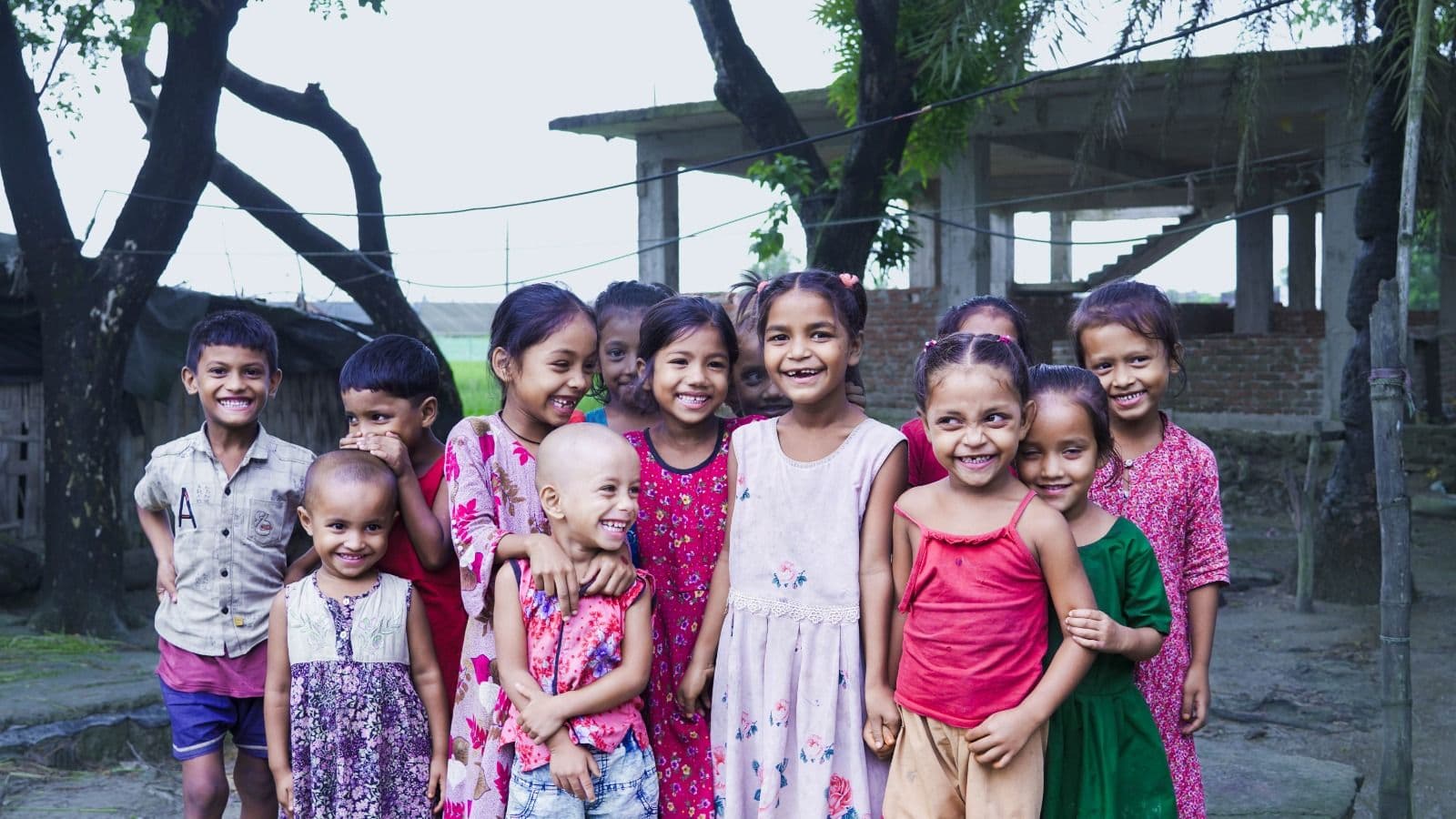
Child Sponsorship and Child Rights Programme
Thousands of children making friends with sponsors, while ActionAid and partners make the bridge. Together is a key word in this connection, this friendship. Joining hands brings magic.
Take a Tour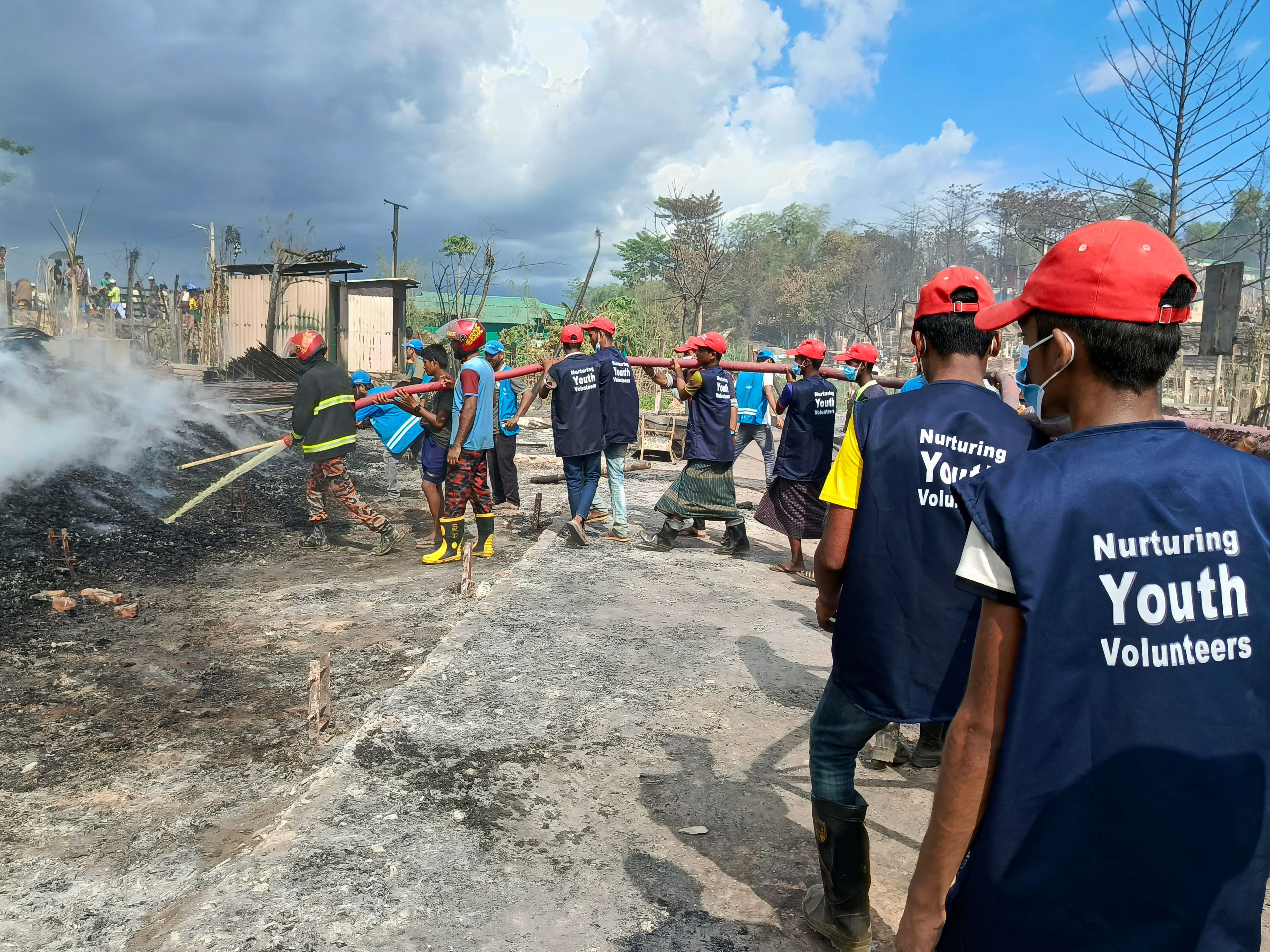
Humanitarian Programme
From rapid emergency response during floods, cyclones, and humanitarian crises to long-term recovery and resilience building, ActionAid works alongside communities to ensure access to food, safe shelter, clean water, and protection services. The programme is particularly active in climate-vulnerable coastal regions and in the Rohingya refugee response in Cox’s Bazar, where it supports women-led initiatives, safe spaces, and essential services.
Take a Tour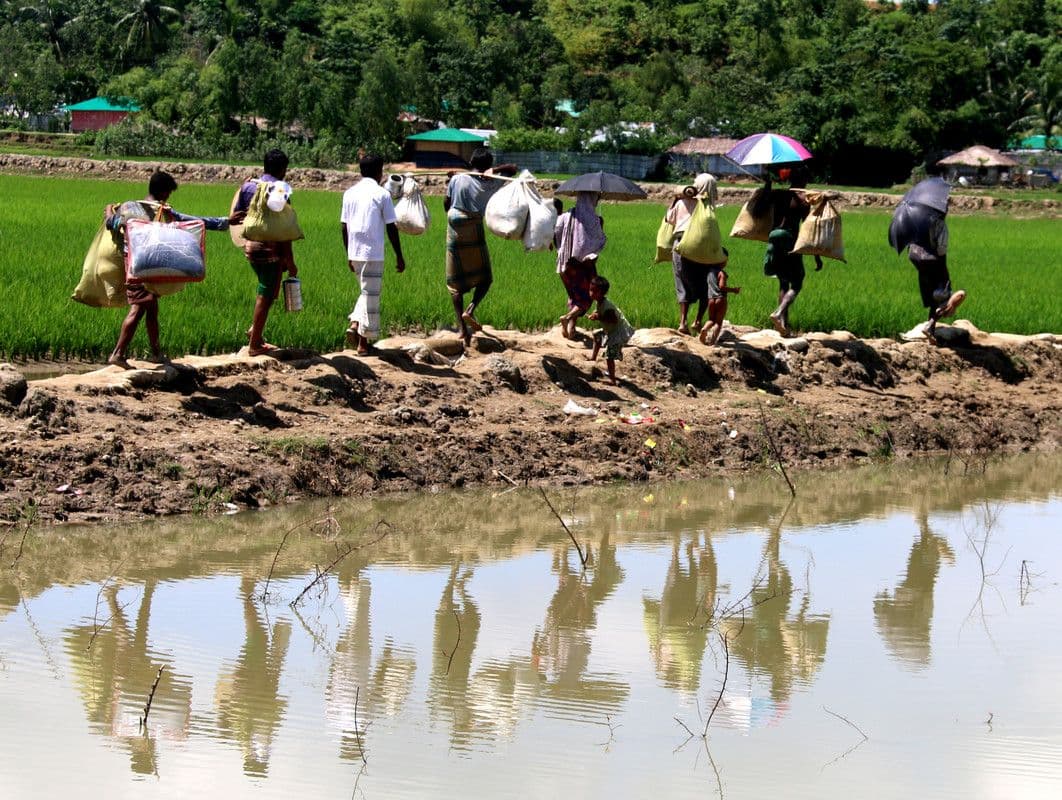
Rohingya Response Programme
Our Rohingya Response Programme supports communities affected by displacement. We provide emergency relief, livelihood support, and long-term resilience-building programs.
Take a Tour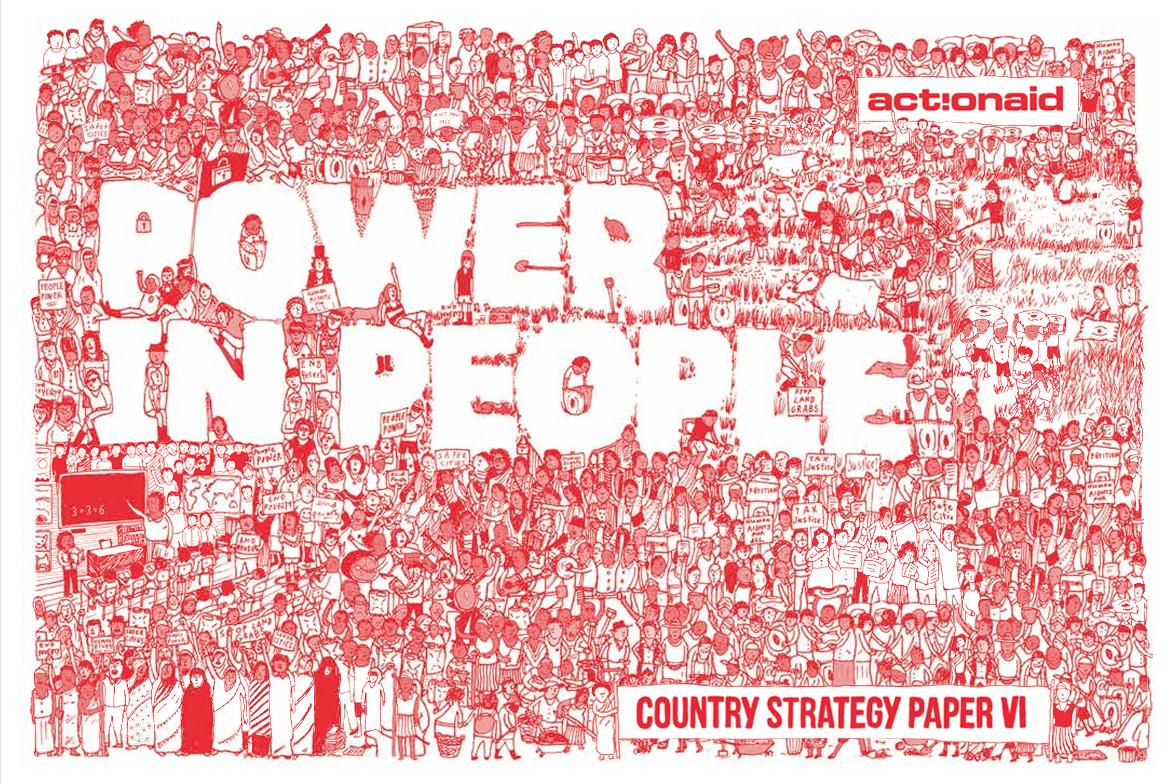
CSP VI
Read the reportImpact In Numbers

10,76,958
Total Reach

17,960
Reproductive Health Related Service

12,695
Women Engaged in Diverse Livelihoods Options

476,039
Children Reached

38.0M
Digital media Outreach

101,090
Rohingya Response
Latest News
Media Coverage
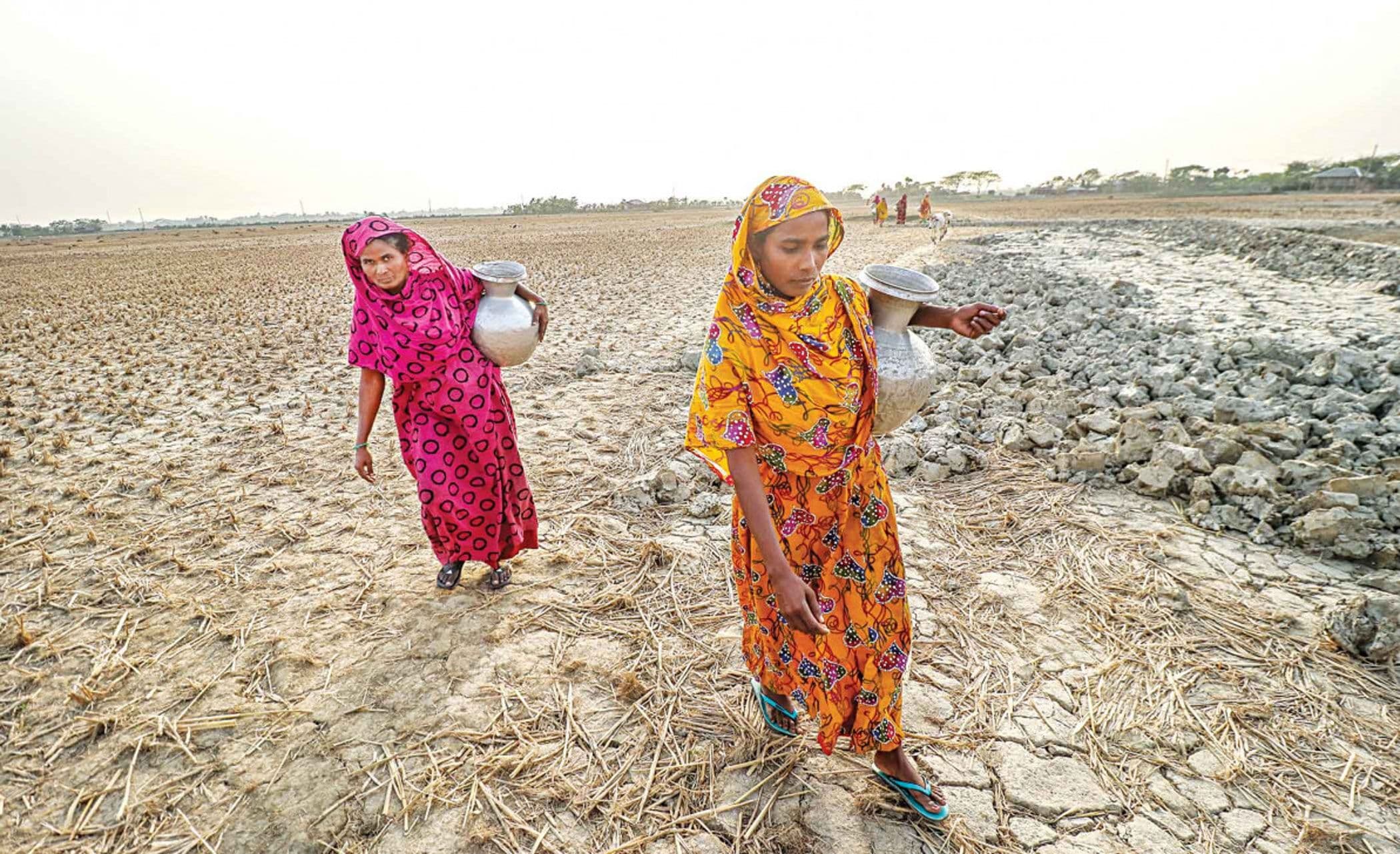
Who pays for stability? A climate and feminist question
In October, Bangkok is hosting two conversations about the future that are rarely held together. Climate Action Week will see the gathering of activists, communities, young people, and climate advocates. Days later, finance ministers, central bankers, economists, and civil society representatives will get together for the IMF and World Bank Annual Meetings. The proximity of these two events is important to note, as it signifies that climate change is no longer an environmental crisis alone. It is also a debt crisis, a fiscal crisis, and a question of who carries the cost of adjustment. The feminist question in this regard is this: who pays for stability? Macroeconomic policy is often presented in neutral terms. But budgets are lived differently. When governments cut spending, remove subsidies, or tighten fiscal policy, the costs can move from the treasury into households and communities. And it is women who frequently absorb them through unpaid care, additional work, and reduced access to essential services. The IMF has moved in recognising this. Its recent work acknowledges that fiscal policy affects women and men differently, and that childcare, social protection, and public services impact women’s economic participation. But recognition is only the first step towards genuine transformation. An economist sees the removal of a subsidy as fiscal reform. But what does a woman see when transport, cooking fuel, or food become more expensive and her unpaid working day becomes longer? Research examining fuel-subsidy reform in Bangladesh, Egypt, and Kenya has found that adjustment can impose disproportionate costs on women and marginalised groups through higher household expenses, increased unpaid care, and weaker access to food, transport, housing, and essential services. This is not an argument for preserving every subsidy. Some are poorly targeted, costly, or environmentally damaging. But reform cannot be judged only by what it saves for the state. It must also account for what it costs society, and who pays. The same question applies to debt. ActionAid’s latest “Debt Fuels the Climate Crisis: How the Finance Flows” report shows that across 65 highly climate-vulnerable countries, debt servicing absorbs around 65 percent of government revenue and is nearly 25 times higher than spending on climate action. Global South countries are projected to repay around 225 times more debt in 2026 than they receive in grant-based climate finance. This signals not a debt problem, but misplaced choices. When debt service consumes scarce public resources, governments have less room to strengthen health systems, expand social protection, invest in resilient infrastructure, support locally led adaptation, or finance a just transition. Climate-vulnerable countries are being asked to borrow to recover from and adapt to disasters, then find additional resources to repay those loans. When climate finance consists mainly of debt, adaptation efforts can deepen fiscal vulnerability. When public services weaken, the task of care work falls on families. When food or energy costs rise, households have to adjust accordingly. When water becomes scarce or infrastructure fails, someone spends more time securing what the state or market no longer provides reliably. Much of that invisible work remains women’s work. This is why climate change and debt cannot be treated as separate conversations. Campaigners gathering in Bangkok are pressing for debt cancellation and a fairer debt architecture, including mechanisms to suspend debt payments after climate disasters; grant-based climate finance; progressive taxation; and a shift in financial flows away from fossil fuels towards a just transition. Their demands challenge a system in which countries facing the greatest climate risks can have the least fiscal space to respond. Establishing fiscal justice means treating care, health, education, social protection, and climate resilience as economic infrastructure, rather than expenditure to be trimmed when budgets tighten. It means judging debt sustainability against a country’s ability to protect its people and prepare for future shocks, not only its capacity to repay creditors. It also requires moving beyond gender mainstreaming. A gender statement attached to a budget is useful but a budget that changes who controls resources, performs care, and has economic opportunity can be transformative. The real test of economic policy is whether it expands people’s capabilities to withstand shocks—not merely whether it restores fiscal ratios. The questioning carried from Bangkok’s climate gatherings into the IMF and World Bank meetings should be: what kind of stability are we building, whose resilience does it protect, and who is paying for it? A stable economy cannot be one that balances its books by exhausting its people. Its ultimate measure is whether, when the next shock arrives, people have the resources, services, and choices to withstand it. Author: Farah Kabir, Country Director, ActionAid Bangladesh.
Read More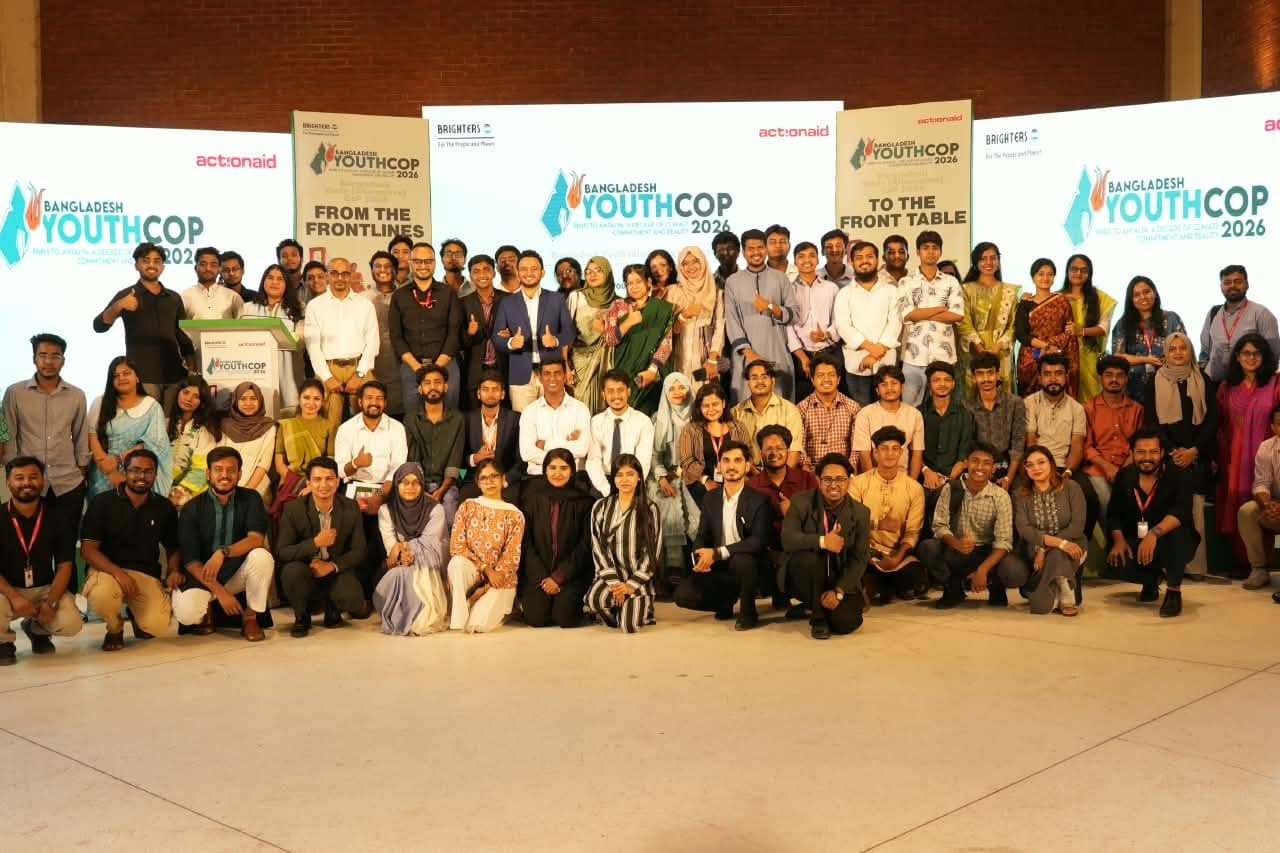
Press Release
Youth Climate Rights Charter unveiled ahead of COP31
Dhaka, 22 September 2026: More than a hundred young climate activists have unveiled a 20-point charter ahead of the upcoming UN climate conference COP31 in Türkiye, calling for the realities and demands of climate-affected communities to be reflected in Bangladesh’s national policies. At the same time, the Youth Climate Position Paper 2026, developed based on the demands of young people from all 64 districts and the lived experiences of people in climate-vulnerable areas, was handed over to the Ministry of Environment, Forest and Climate Change. The charter was formally unveiled and the position paper handed over at the closing ceremony of the four-day Bangladesh Youth COP 2026, organised jointly by ActionAid Bangladesh and Brighters at a venue in Tejgaon, Dhaka, on Tuesday. The position paper prioritises seven key areas: climate mitigation; locally led adaptation; loss and damage and climate finance; technology transfer; climate education and awareness; gender equality and social inclusion; and youth leadership in policymaking. The theme of this year’s conference was “Paris to Antalya: A Decade of Climate Commitments and Realities.” The position paper was developed through consultations with young people from all 64 districts as well as marginalised communities living in climate-vulnerable areas. The process included focus group discussions, storytelling sessions, participatory mapping and community scorecards. The paper also draws on the views of affected people from seven specific climate-vulnerable areas and three years of research conducted across six vulnerable clusters. The first session of the closing day, titled “Facing the Frontliners: CSOs and Experts” , featured Supreme Court lawyer and CCJ-B Director M Hafizul Islam Khan, CPRD Chief Executive Md Shamsuddoha, UNDP’s Sharmin Islam, UN Women’s Dilruba Haider and representatives from marginalised communities. The session was moderated by Md Nazmul Ahsan, Lead, Youth, Resilience and Climate Justice, ActionAid Bangladesh. Later, in the “Children’s Voice on Climate” talk show, marginalised children and children from Happy Home shared their concerns about the impacts of climate change and their future. The session was moderated by Ahmed Reza. Meanwhile, 19 young people from the Climate Policy Negotiation Fellowship took part in a mock negotiation modelled on international climate conferences. They practised negotiations on loss and damage, climate finance, just transition and Bangladesh’s strategic position in the COP31 negotiations. During the afternoon session, “In Conversation with Diplomats” , diplomatic representatives reviewed the position paper prepared by young people and emphasised the active role of youth in addressing the climate crisis. The session highlighted the importance of international cooperation, incorporating the experiences of local communities and engaging young people in policymaking processes. Dr Fahmida Khanam, Acting Secretary of the Ministry of Environment, Forest and Climate Change, acknowledged the contribution of indigenous communities and said, “In reality, it is impossible for the government alone to address this global and pervasive crisis. Young people can be the strongest guardians of the environment. Alongside identifying pollution, preventing biodiversity loss and raising awareness of climate risks, they can play a significant role in building awareness among the wider public.” Kazi Ehsanul Haque, Director General, Climate, Environment and Transboundary Water Resources Wing, Ministry of Foreign Affairs, said, “The decisions being taken on climate today will affect the future of young people. Therefore, young people must be more actively engaged in climate policy and decision-making processes from now.” H.E Susan Ryle, Australian High Commissioner to Bangladesh, said people across the Indo-Pacific are already experiencing the impacts of climate change through sea-level rise, extreme weather and displacement. She said, “Effective climate action requires governments, local communities, young people and affected populations to work together. COP31 must focus on implementation and ensure that the voices of vulnerable people are heard.” Anders B. Carlsen, Deputy Head of Mission at the Embassy of Denmark in Bangladesh, said, “Climate change has no borders. Therefore, joint efforts are needed from local communities to international policymakers. It is now essential to connect policymaking with realities on the ground.” H.E Shiuneen Rasheed, High Commissioner of the Republic of Maldives to Bangladesh, said, “It is essential for young people to be at the centre of climate action because the decisions taken today will shape their future.” Meanwhile, Nizam Uddin, a young representative from a marginalised community in Hatiya, Noakhali, described the harsh realities faced by people living on the islands. He said, “Storms and waterlogging cut us off from the outside world. Transport and healthcare services collapse, putting pregnant women and emergency patients at serious risk. Basic services and local protection must be prioritised in climate adaptation policies.” The session, moderated by Farah Kabir, Country Director of ActionAid Bangladesh, emphasised the need to bring the demands of marginalised communities in Bangladesh to the global stage. At the closing session, Fariha Aumi, Chairperson of Brighters, presented the Bangladesh Youth Position 2026 on behalf of young people. The document was formally received by the chief guest, Dr Fahmida Khanam, Acting Secretary of the Ministry of Environment, Forest and Climate Change. The session was chaired by Ibrahim Khalil Al-Zayad, Chairperson of ActionAid International Bangladesh Society. He aspired that the recommendations adopted through the process would be presented as part of Bangladesh’s official policy positions at COP31. The conference formally concluded with a cultural presentation titled “Youth Aspirations”. The four-day programme began on 19 September with a march from Police Plaza to Global Platform Bangladesh. The programme continued with thematic discussions on 20 September and an international online dialogue (webinar) on 21 September, followed by the main and closing conference on Tuesday.
Read More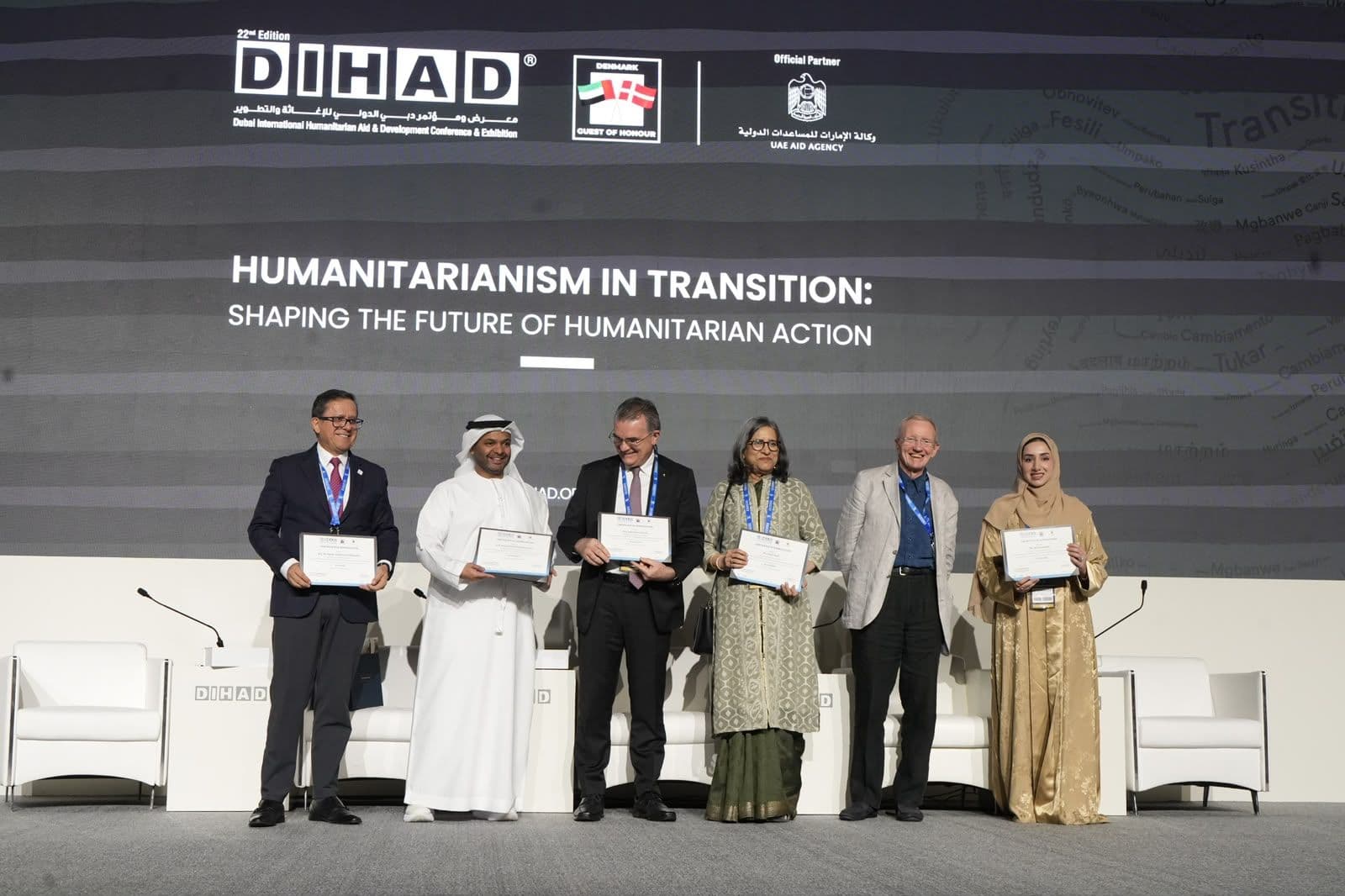
Media Coverage
The Future of Humanitarian Action
Bangladesh's humanitarian sector is at a crossroads — where localisation, private-sector partnership, and early investment in preparedness are no longer optional additions to the model but the foundations it must be rebuilt on. I have just returned from Dubai having attended the Dubai International Humanitarian Aid and Development Conference & Exhibition (DIHAD) 2026 with a renewed sense that humanitarian action is at a moment of profound transition. DIHAD demonstrated the value of bringing governments, humanitarian organisations, donors, businesses, innovators and civil society together around a shared commitment to humanity. The most valuable conversations often happened beyond the formal sessions: exchanging experience, challenging assumptions, discovering capabilities and exploring what each of us can bring to a system under growing pressure. One conclusion stood out: the humanitarian future cannot be built by repeating the models of the past. It will require new ideas, bold experimentation and a generation of innovators willing to challenge how things are done. But innovation cannot simply mean new technology or new funding instruments. It must also mean rethinking who has power, who makes decisions and whose knowledge counts. This is where localisation becomes fundamental. Localisation is not simply about where humanitarian action happens. It is about who owns it, who shapes it and who has the power to hold systems accountable. People closest to a crisis understand its risks, relationships and possibilities in ways outside actors cannot easily replicate. Yet local organisations and community institutions are still too often treated as implementers rather than decision-makers. True localisation means shifting decision-making closer to affected communities, investing in local institutions and recognising the leadership of women and young people. It means connecting ground realities with national advocacy and global policy spaces, so that lived experience does not merely become evidence for others to interpret but helps shape policy and resource decisions. But localisation alone will not transform the humanitarian system. We must also rethink who belongs within it. One of the most important opportunities ahead is to bring the private sector more deliberately into humanitarian action. Businesses are often viewed primarily as philanthropic partners – contributing money, products or expertise when disaster strikes. That contribution matters, but it is only the beginning. National companies possess logistics networks, technology, communications infrastructure, data, supply chains, financial systems, engineering expertise and skilled people that can be critical before, during and after a crisis. Why should these capabilities remain outside the humanitarian architecture? This does not mean asking businesses to replace humanitarian organisations. Humanitarian principles, protection and accountability must remain at the centre. But national companies can become strategic partners in preparedness, early warning, emergency logistics, digital solutions, cash delivery, resilient infrastructure and recovery. For Bangladesh, the opportunity is particularly significant. We should move beyond corporate philanthropy towards corporate humanitarian partnership – structured arrangements in which government, civil society, humanitarian organisations and national companies agree in advance what each can contribute when crisis strikes. That requires more than goodwill. It needs clear protocols, incentives, standards and accountability. Governments must create an enabling environment; donors must recognise private-sector capabilities as part of resilience; and businesses must see humanitarian engagement not simply as corporate social responsibility, but as a contribution to national resilience. Preparedness is perhaps the clearest case for investing before crisis strikes. Bangladesh has demonstrated what sustained investment in early warning, cyclone shelters and community preparedness can achieve. The experience of Cyclone Remal offers another powerful lesson: an evaluation found that every US$1 invested through Start Ready could save an estimated US$14.88 in livelihood income and US$7.50 in damaged assets. Nepal's devastating August 2026 glacial flood offers an equally important warning. Early warning is only as strong as the hazards it can detect, the information available across borders and the ability to communicate and act in time. The disaster underlines the need for stronger monitoring, data-sharing and warning systems – but also for alternatives when formal systems fail. For Bangladesh and other climate-vulnerable countries, the message is clear: we need layered preparedness – better forecasting and monitoring, local knowledge, multiple communication channels, community capacity and pre-agreed finance. The question is no longer whether we can afford to invest in preparedness. It is whether we can afford not to. DIHAD also reminded me that humanitarian action is ultimately about relationships. No single organisation has the knowledge, resources or legitimacy to respond to the crises ahead. We need governments that enable rather than centralize; humanitarian agencies willing to share rather than guard expertise; donors prepared to finance systems rather than only projects; businesses ready to contribute capabilities as well as capital; and communities recognised as leaders rather than beneficiaries. This requires a different kind of partnership – one based not on hierarchy but on complementarity. The humanitarian system has spoken for years about localisation, anticipatory action, innovation and partnership. The next step is to make these principles part of how the system actually operates. Another round of declarations will not be enough. We should leave DIHAD not simply inspired, but challenged: to localise power, act earlier, bring national private-sector capabilities into humanitarian delivery, invest in women and young leaders, and build partnerships around what each actor can genuinely contribute. The future of humanitarian action will not belong to any single institution. It will belong to those willing to share power, knowledge, risk and responsibility. The question is no longer whether we can do more. It is whether we have the courage to do it differently – and together. Farah Kabir , Country Director at ActionAid Bangladesh. ________________________________________________________________________
Read More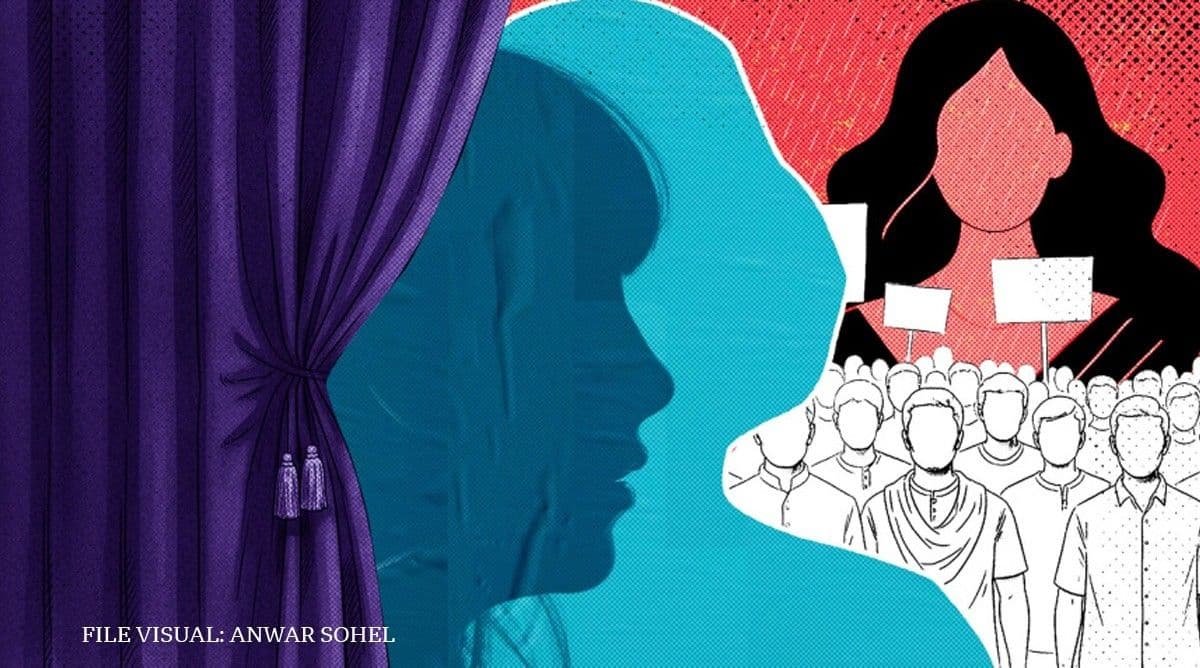
Media Coverage
Why regional diplomacy needs a feminist lens
In Dhaka, BIMSTEC is focusing on bringing neighbouring countries closer together by improving trade, technology, and mutual security. Meanwhile, in Delhi, BRICS stepped up as a powerful voice for the developing world. Both reflect a legitimate ambition for stronger economies, greater strategic autonomy, and a more balanced global order. But they raise a question conventional regional diplomacy rarely asks: why is the architecture of regionalism still largely designed from the perspective of states, markets, and security, and only subsequently asks how people fit into it? This is where a feminist lens becomes useful. What does regionalism look like when viewed through the experiences of women, youth, and diverse communities rather than from the podiums of states? If regional integration is only about moving goods, capital, energy, technology, and people across borders, what happens to the unpaid care, informal labour, insecurity, and unequal power that make that movement possible? Who decides what gets prioritised? These are questions about the architecture itself. ____________________________________________________ Farah Kabir Country Director, ActionAid Bangladesh.
Read MoreStories Of Change

Blog
When the Water Took Everything but Hope
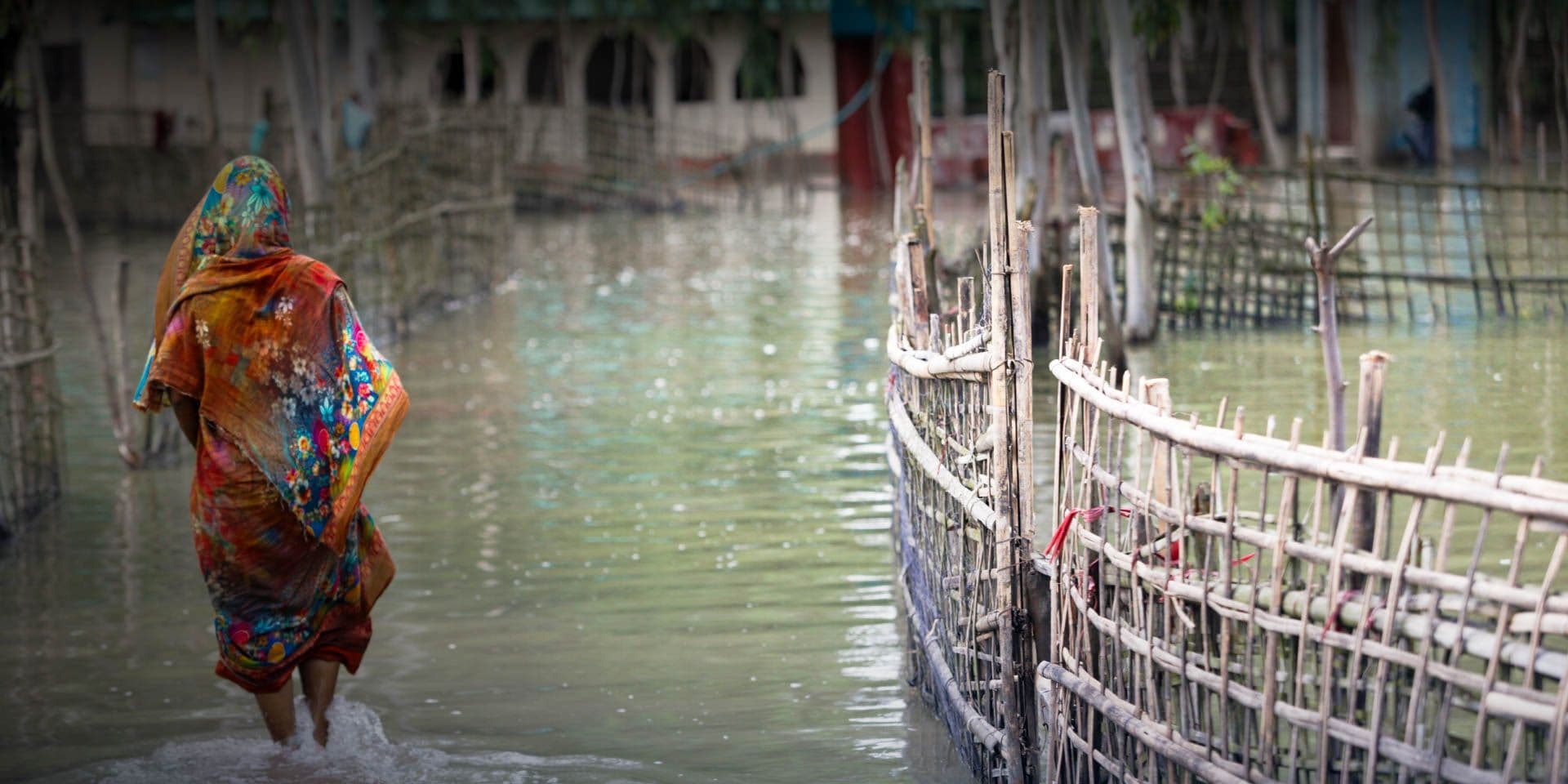
Floods are a familiar part of life in Pekua. Every year, families brace themselves for rising water, damaged homes, and disrupted livelihoods. But this year was different. When floodwater began entering her home in the middle of the night, Murshida, a mother of five, quickly realised that this was not an ordinary flood. Within hours, water covered the floor, swallowed the courtyard, and surrounded the small house where her family had built their lives. There was nowhere to go in the darkness. As the water continued to rise, Murshida gathered her family onto a bed and waited. Through the long night, she sat awake, watching the water inch closer while silently praying that it would stop before dawn. “I couldn't think of anything else,” she recalls. “I just prayed that the water would not rise any higher.” For Murshida, the fear went far beyond losing her home. Her husband survives on occasional alms and is speech-impaired and living with a mental disability. Two of their children are also speech-impaired. As floodwater surrounded their home, Murshida's greatest concern was keeping her family safe, especially those who could not fully understand the danger unfolding around them. At first light, the family fled to her in-laws' house on slightly higher ground. But as the water continued to rise, they were forced to move again by afternoon, seeking refuge at her father's house on the other side of the embankment. Anticipating the worsening situation, Murshida had already sent her two children there earlier. Even then, the fear did not disappear. Although the water never entered her father's house, floodwater eventually reached the homestead, and accommodating seven additional family members for days became increasingly difficult. Some members of Murshida's family had to seek temporary shelter in neighbouring homes, relying on the generosity of relatives and neighbours to get through the crisis. “I was terrified,” she says. “My husband and two children cannot swim. They needed constant attention. My family helped watch over them, but feeding everyone became another challenge.” Like many flood-affected families, they soon found themselves struggling to secure enough food. “We could somehow manage rice, but there was little else to eat,” she explains. “For several days, we ate rice with salt and leafy vegetables. Sometimes neighbours shared whatever they had. That is how we survived.” Returning home brought little relief. As the floodwater gradually receded, Murshida found that the crisis had not ended. The mud floor remained soaked, household belongings had been damaged by water, and parts of the fragile house had weakened after days of flooding. For a family already struggling to meet daily needs, repairing their home felt almost impossible. “Everything was wet,” she recalls. “We did not know how we would repair the house when we could barely manage food.” The flood did not only force Murshida from her home, it exposed the fragile reality she has been living with for years. The family's only asset is a small homestead built on government-owned land. Leaving it permanently is not an option. If they move elsewhere, they risk losing the only place they can call home. Poverty, insecurity, and recurring climate shocks have become a constant backdrop to their lives. Yet despite everything, Murshida refuses to give up. Almost every year, floods, waterlogging, or other climate-related disasters force her family to start over. To support her family, she takes whatever work she can find—whether in nearby salt fields or as a domestic worker. Like many women in the community, she rebuilds her life one day at a time after each disaster. Following the recent floods in Pekua, ActionAid Bangladesh provided emergency cash assistance of BDT 4,000 each to 450 flood-affected families, including Murshida's. When asked what she would do first with the money, her answer came without hesitation. “There wasn't enough food left at home for even one more meal,” she says. “Not a handful of rice remained. First, I will buy rice, lentils, and potatoes. I want my children to eat properly. It has been a long time since we had a full meal. Then I will use the remaining money to repair our house.” Her wish is simple. No grand ambitions. No impossible dreams. Just enough food on the table, a safe roof overhead, and the chance to rebuild her family's life. For Murshida, recovery begins with those small but essential steps, restoring dignity, rebuilding security, and holding on to the hope that better days are still possible.
Read More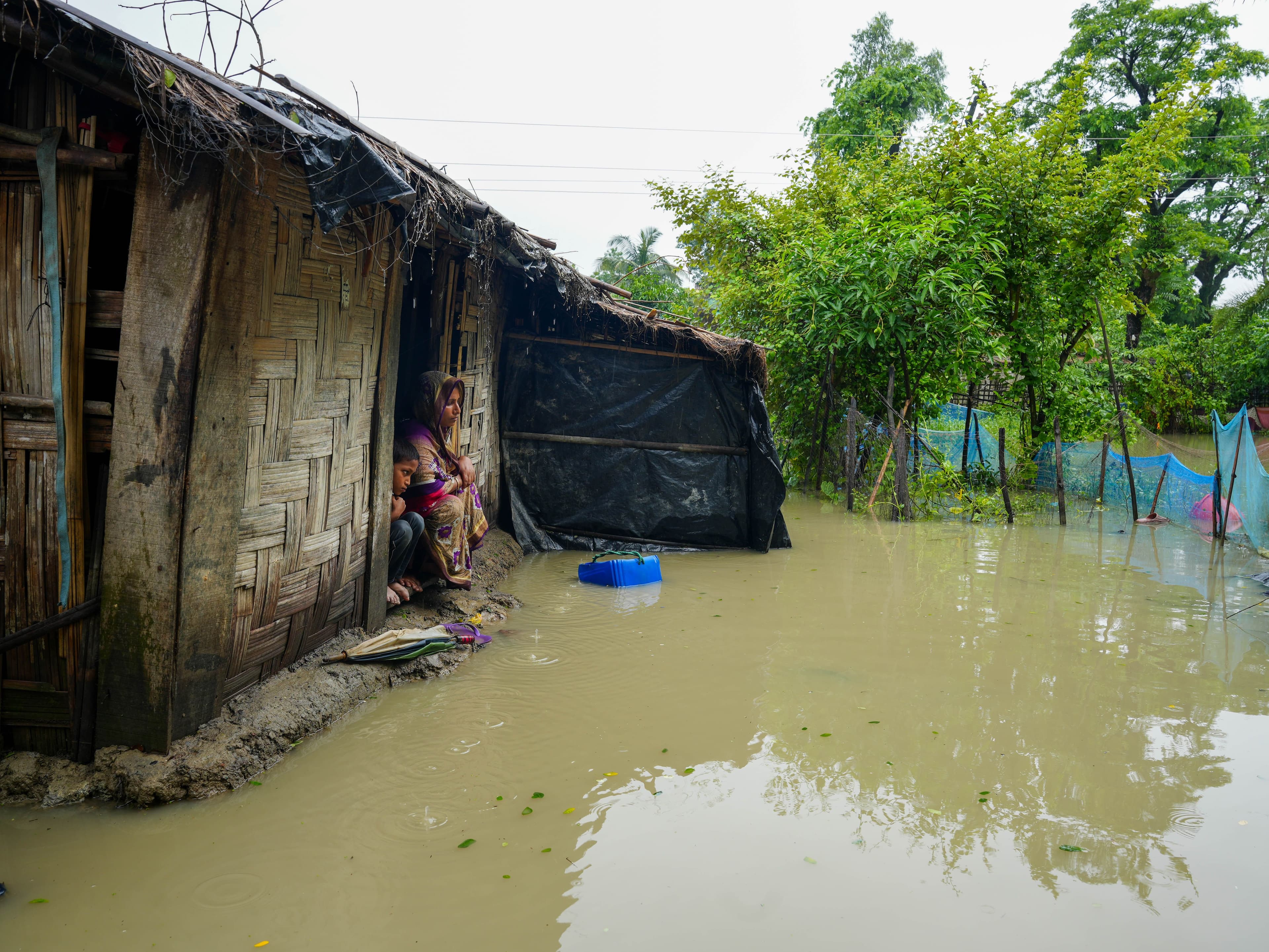
Impact Stories
A Mother's Seventh Season: Uncertainty
“I Don’t Know What We Will Eat or Where We Will Stay” These were the words of Mariam* from Pekua Upazila in Cox’s Bazar, where recent flooding has left thousands of families struggling to cope with the loss of food, income, and safe shelter. “These past few days have been very hard for my children. We don’t always have enough food, and they often fall asleep after spending hours hungry. Floodwater entered our home and ruined everything. Now I don’t know what we will eat or where we will stay with the children.” These were the words of Mariam* from Pekua Upazila in Cox’s Bazar , where recent flooding has left thousands of families struggling to cope with the loss of food, income, and safe shelter. When ActionAid staff visited her community, floodwater still surrounded her home. Knee-deep water covered the yard and had already reached the veranda. Mariam is the mother of five children, all of whom depend on her daily care and support. Her husband, the family’s sole breadwinner, works as a mason. However, continuous rain and flooding have left him without work for the past ten days. “Life was already difficult before the flood,” Mariam said. “Now there is no work and very little food at home. Some days, if I can feed the children even one meal, I feel grateful.” Like many families in the area, they were caught off guard by the speed of the flooding. Water entered their home overnight, damaging household belongings, food supplies, and cooking facilities. Floodwater submerged the family’s kitchen and clay stove, forcing them to set up a temporary cooking corner inside their living space. With no savings to rely on, Mariam borrowed money from a neighbour to buy rice and lentils so the family could continue having at least one meal a day. Mariam navigates floodwater outside her home in Pekua, where days of heavy rain left many families struggling to access basic necessities and continue their daily lives. Many families remained in their damaged homes during the emergency. Community members said they were reluctant to move to the local cyclone shelter, which they described as being in a deteriorated condition. “For the last three days, we have survived on rice and lentils,” Mariam said. “Only one meal a day.” During the visit, two of her children lay asleep on a bed nearby. Mariam explained that hunger had become part of their daily reality. “They cried for food all morning. Since we eat only once a day, they had rice and lentils at noon and then fell asleep. It is becoming a daily routine.” Like many coastal communities in Pekua, families largely depend on daily wage labour, fishing, and salt cultivation. With floodwater remaining for days, many households lost their income and were forced to borrow money simply to meet their basic needs. The floods have also intensified existing challenges around safe water and sanitation. Several households share communal latrines, and many families purchase drinking water because there is no tube well in the community. Flooding has further limited access to clean water and sanitation facilities, increasing health risks and making it difficult for women and girls to maintain privacy and dignity. A communal latrine stands surrounded by floodwater in Pekua. Limited access to safe sanitation and clean water remains a major challenge for affected families. “There is water everywhere, but not clean water that we can use,” Mariam explained. “Keeping the children clean and bathing them has become very difficult.” Women in the community also spoke about overcrowded living conditions, concerns for children’s safety, and the challenges of accessing sanitation facilities, particularly at night. With homes surrounded by water and schools closed, many parents remain anxious about their children’s wellbeing. Throughout the visit, Mariam spoke with a smile that seemed at odds with the difficulties surrounding her. As she described hunger, damaged walls, and uncertainty about the days ahead, she continued to speak warmly about her children. Behind that smile, however, was the weight of ensuring five children had enough to eat and a safe place to sleep. Across Cox's Bazar's coastal communities, many families are facing similar struggles. In a region where flooding has become an almost annual reality, families are left wondering how many more times they can rebuild their homes, restore their livelihoods, and start over again. For Mariam, and for countless women like her along this coast, this has become the seventh season, not marked on any calendar, but as predictable as the monsoon, and far harder to prepare for. It doesn't end when the floodwater recedes. It lingers in the debt still owed to a neighbour, in the children who ask when they'll eat again, in the quiet work of holding a family together with almost nothing. * Name changed to protect identity.
Read More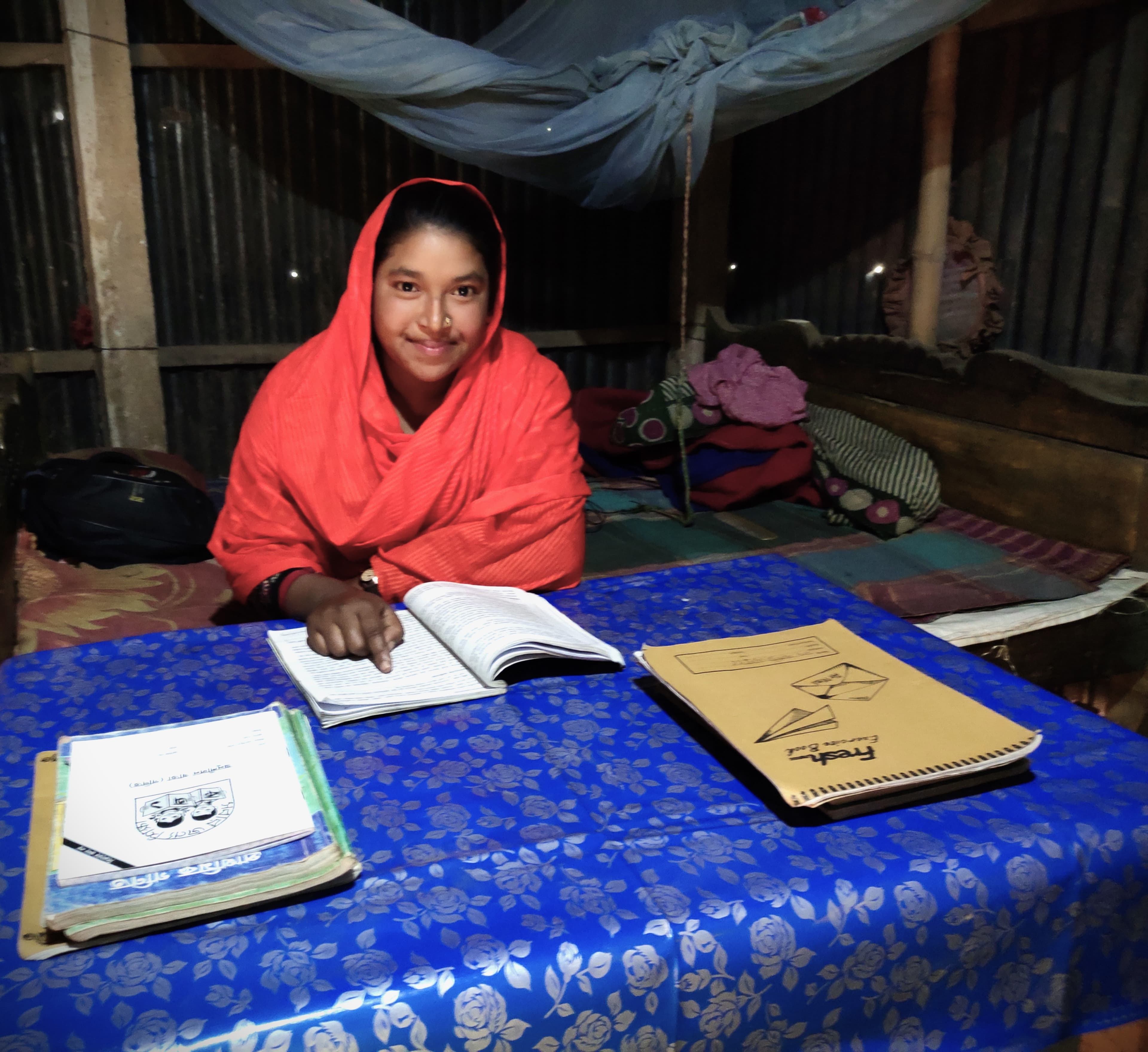
Impact Stories
Preventing Child Marriage: Minara’s Fight for a Future She Chose
"I am beyond thrilled to be able to continue my education now. It hasn't been easy for a girl like me from a family like mine to dream big. People are as great as their dreams and while I'm not sure if I'll reach mine, I aspire to make a positive impact and support the underprivileged once I finish my education. I'm actively raising awareness in the community about the importance of education and the harmful effects of early marriage," said Minara, a 15-year-old girl who is the youngest of five siblings living in a village in Bishwamvarpur with her father, older brother, sister-in-law and little niece. Minara's sisters fell victim to early marriage, so she believed she would succumb to the same fate. Her sisters had to abandon their education, consent to marriage against their will, leave their homes, and embark on lives vastly different from their dreams. “I witnessed my sisters being forced to drop out of school. Had they been able to pursue their education, their lives could have taken a different path. They could have achieved financial independence and even supported our family,” Minara said sadly. Minara, like other marginalised girls, faced the risk of early marriage due to her family's deteriorating financial situation. Her father is unable to contribute, so the family relies solely on her brother's income as a day labourer. However, the inconsistent availability of work makes it challenging to sustain her education. Her family is barely able to provide nutritious food when there is no work. Despite the adversities, Minara has been with ActionAid Bangladesh's Child Development Centre (শিশু বিকাশ কেন্দ্র) since 2016. At the center, she learned about the importance of education for a better future and the detrimental effects of early marriage. Minara is also an active member of a Child Forum, where she has acquired leadership skills and confidence to protest harmful social norms. “Since 2016, I have been a member of the Child Forum, where enlightening discussions have deepened my understanding of children's and girls' rights,” she added. In 2023, ActionAid Bangladesh provided Income Generating Activities (IGA) support such as tailoring and dress making and seed capital of BDT 6,000 to 95 families, including Minara’s to be able to support education expenses and acquire new alternative livelihood skills. By providing tailoring services to women of the Reflection Action Circle (RAC) run by ActionAid Bangladesh and others in the community. Minara’s family now earns BDT 1,500 per month. With the additional income, Minara's brother also invested in goat rearing. Minara's family takes pride in her accomplishments and no longer presses her into marriage. They encourage others in the community to protect the rights of children and give them a chance for a brighter future.
Read More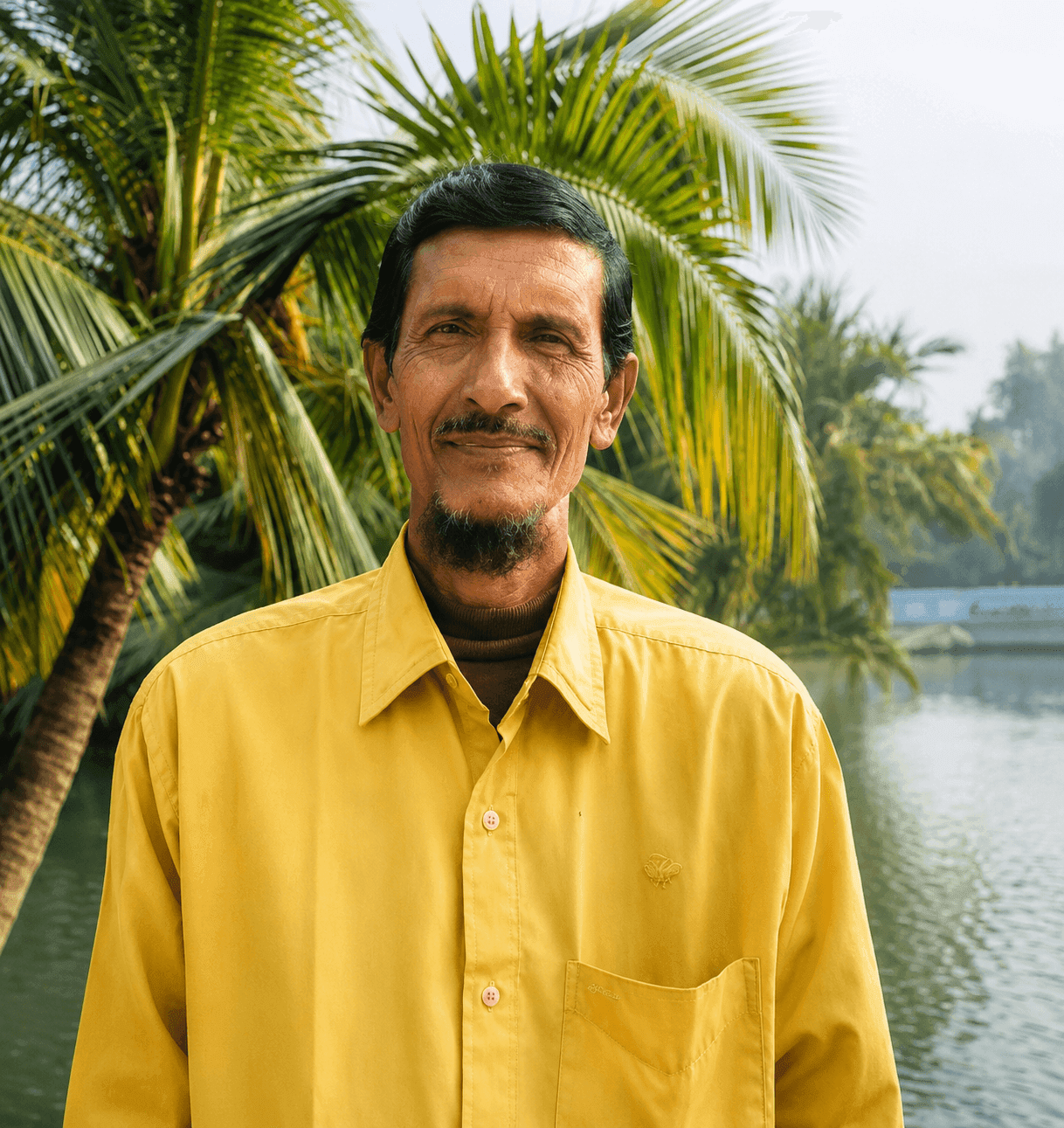
Impact Stories
From Matchmaker to Change Maker: Shahjahan Sheikh’s Stand against Child Marriage
Shahjahan Sheikh is a local matchmaker living in Chondrakhali village of Rampal Upazila under Bagerhat district. For many years, he has been working as a matchmaker in his community. He prefers this work over other jobs because people respect him for this role and he also earns some money from arranging marriages. Although his income is small, it helps him support his family. In the past, Shahjahan Sheikh arranged marriages without considering the legal age of the bride and groom. That time, he was mainly focused on earning money and did not contemplate the harmful effects of child marriage. He never considered whether the couple were mentally, physically, or socially ready for marriage. By 17th November 2025, Shahjahan Sheikh participated in a Value Clarification Session organised by the SHOMBHABANA Project at Rampal Upazila Parishad. Implemented by JJS, this initiative is funded by the Embassy of the Kingdom of the Netherlands in Bangladesh, with technical support from UNFPA Bangladesh. Through this session, he learned about the legal age of marriage, the laws related to child marriage, and the punishments for arranging or supporting child marriage. He also learnt about the negative impacts of early marriage, such as health risks, early pregnancy, domestic violence, school dropouts, poverty, and lack of decision-making capacity. After returning home, Shahjahan Sheikh reflected deeply on what he had learned. He recalled many of the marriages he had arranged in the past where the couples were underage. He realised that most of those couples were not living happy married lives. Many young girls were suffering from poor health due to early pregnancy. Some couples were facing domestic violence and family conflicts. Many had to stop their education and were forced to work as day labourers, leading to a life of poverty. Due to lack of education and life skills, they also faced difficulties in managing their families. When he compared these couples with those he had married at a legal and mature age, he found a clear difference. The adult couples were more educated, financially stable, healthier, and living more peaceful family lives. This realisation made him feel deeply sad and guilty about his past actions. He strongly regretted arranging child marriages and promised himself that he would never again arrange any marriage before the legal age. A few days later, Shahjahan Sheikh received an offer to arrange the marriage. At the first Shahjahan check the birth certificate of the girl and found that the age is 17 year 154 days. This time, he immediately refused because the under ages of the girl. He explained to the girl’s guardians the dangers and long-term problems of early marriage. He talked about health risks, early childbirth, loss of education, and family violence. He also informed them about the marriage law and the legal punishment for child marriage. Even though the guardians offered him a large amount of money, Shahjahan Sheikh remained strong in his decision and refused the offer. After listening to his explanation, the guardians understood the risks and finally decided to wait until their daughter reached the legal age for marriage. By preventing this child marriage, Shahjahan Sheikh felt proud and satisfied. He realized that he had done a noble and responsible act. Now, he actively shares his knowledge with friends, neighbors, and other matchmakers in his community. He advises parents not to marry off their daughters early and encourages them to ensure education, safety, and a secure future for their children.
Read MoreCampaigns And Events
Event
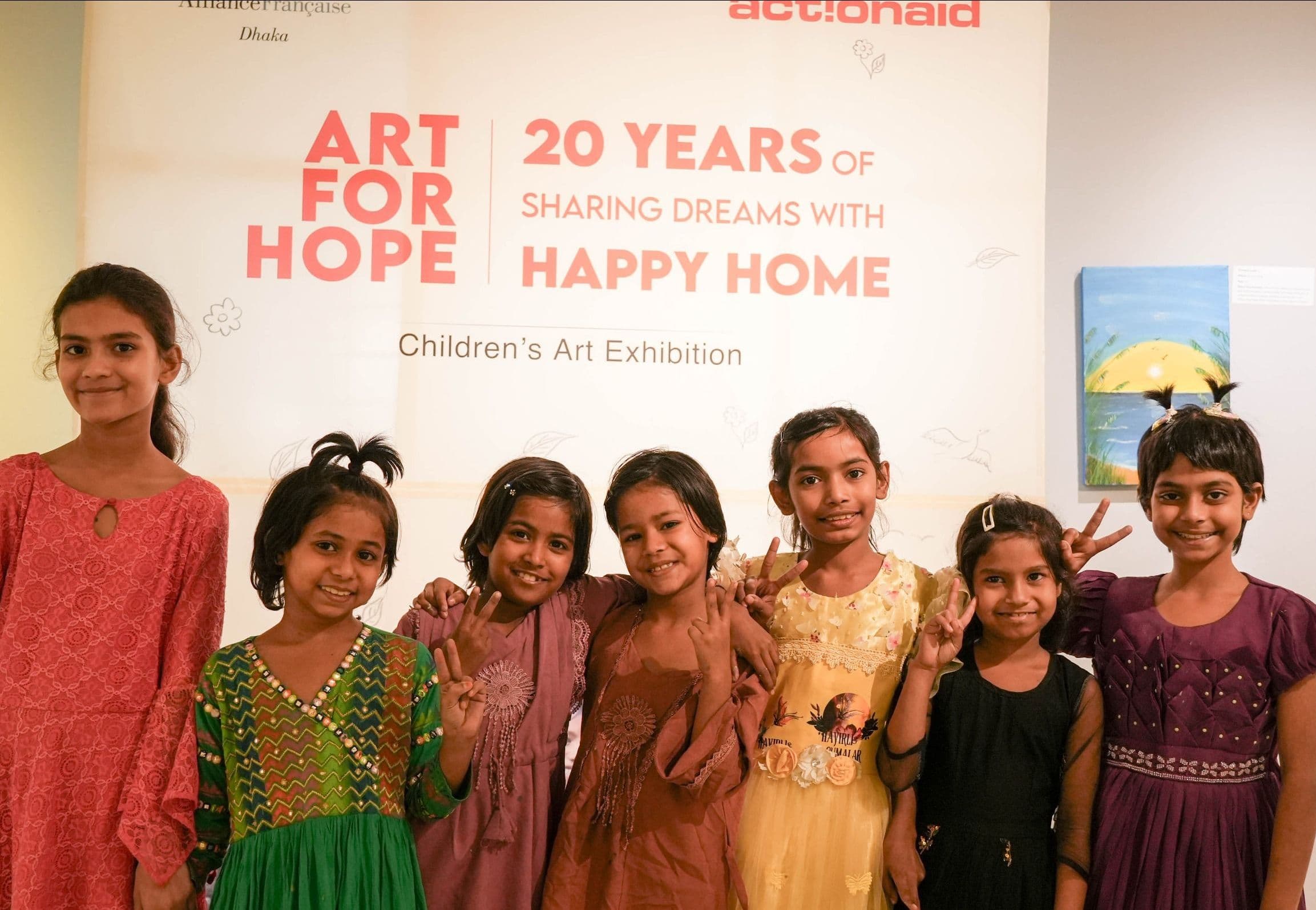
Art for Hope
When a child receives care, guidance and a secure environment for growth, their imagination and potential begin to blossom. Celebrating the journey of growth, we organised a two-day open-to-all art exhibition, "Art for Hope", at Alliance Française de Dhaka on 11-12 March, 2026. The exhibition showcased beautiful and creative paintings and visual artworks made by youngsters. Art has become a meaningful channel through which children share their stories, emotions, dreams, and perspectives. This exhibition is designed as a space where their voices can be seen, felt, and genuinely valued by a wider audience. Alongside exploring their creativity, visitors also had the opportunity to purchase selected paintings, with all proceeds directly contributing to the children’s continued growth and wellbeing. The showcased artworks emerge from two flagship initiatives: Shishu Bikash Kendra (SBK), which offers child-friendly spaces that support early learning, confidence, and emotional development, and Happy Home, a residential program that provides safety, education, and life skills support for girls who have previously lived in vulnerable conditions. As an added joy for us, the year 2026 marked the 20th anniversary of our Happy Home initiative. Theme and Focus The central theme of the exhibition is children’s voices and lived realities, as expressed through art. Each artwork reflects personal stories, emotions, aspirations, and observations of the world from a child’s perspective. Collectively, the exhibition highlights creativity as both a form of expression and a pathway to healing and empowerment.
Read More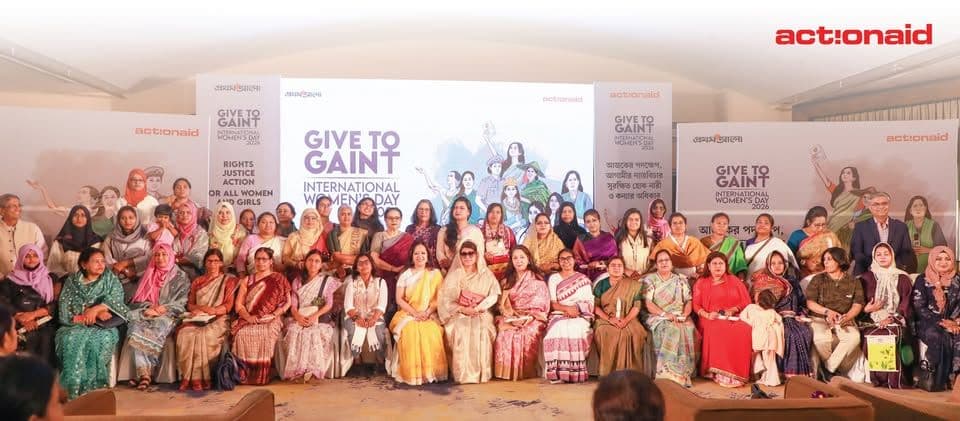
Event
International Women's Day 2026
International Women’s Day 2026 is observed under the global theme “Give to Gain,” highlighting the transformative power of reciprocity, solidarity, and collective support in advancing women’s rights and leadership. The theme underscores that investing in women’s empowerment through recognition, inclusion, and shared responsibility strengthens societies and fosters a more just and interconnected world. In this context, and following the 13th National Parliament Election of Bangladesh, ActionAid Bangladesh (AAB) plans to celebrate International Women’s Day 2026 by centring women’s political participation, representation, and leadership. The celebration will focus on celebrating women who entered politics, understanding the challenges they faced, and capturing the learning from their journeys to inspire future women leaders. Globally and in Bangladesh, women in politics continue to face discrimination, violence, tokenism, and exclusion from decision-making processes. Yet women persist, navigating resistance, developing learning and strategies through experience, and paving the way for other women to follow. International Women’s Day 2026 serves as a critical moment to amplify this collective resilience and determination. No matter how entrenched sexism may be or how discouraging political environments become, women refuse to retreat. Instead, they rise together, claiming their mandate and advocating for the rights and empowerment of all women and girls. Available secondary data from media reports and election analyses suggest that women’s participation as candidates in Bangladesh’s national parliamentary elections has historically remained low, though a gradual increase is visible over time. In the early national elections following independence, the number of female candidates contesting general seats was minimal and not systematically documented. More consistent data become available from the 1990s onwards. During the 5th and 6th National Parliament Elections in the 1990s, the number of female candidates reportedly remained below 40. In the 7th and 8th National Parliament Elections (2001 and 2008), the number showed a modest rise, fluctuating roughly between 40 and 50 candidates. A decline was observed in the 9th National Parliament Election (2014), when fewer than 30 women reportedly contested general seats. The 10th and 11th National Parliament Elections marked a gradual increase again, with approximately 60–70 female candidates in 2018 and close to 90–100 candidates in the subsequent election cycle. For the upcoming 13th National Parliament Election, media reports indicate that around 109 women have filed nomination papers, suggesting a potential increase compared to previous elections. However, even with this increase, women are expected to constitute only around 4-5 percent of the total candidates, highlighting the persistent under-representation of women in Bangladesh’s electoral politics despite numerical growth over time. Against this backdrop, AAB will organise an event to celebrate women who have entered politics, document the challenges they faced and the learning gained from their journeys, and translate these experiences into inspiration and guidance for future women leaders. Objectives The objective of the event is to recognise and celebrate women political leaders and activists who have challenged patriarchy and social stigma, while reinforcing the importance of women’s leadership in fostering inclusive, democratic, and accountable governance. It also seeks to highlight the challenges, learning, and leadership journeys of women who participated in the 13th National Parliament Election and to use their shared experiences to inspire and encourage other women and girls to engage in politics in the future, in line with the “Give to Gain” ethos. Programme Focus The discussion sessions aim to both celebrate women’s participation in electoral politics and critically explore the historical legacy and current state of women’s engagement in political leadership and national policymaking processes. The session will examine the structural, social, and political factors that continue to constrain women’s political empowerment, while also highlighting enabling conditions, strategies, and success stories that have supported women’s political journeys despite persistent gender inequalities. Importantly, the discussions will create a dedicated platform for women candidates to share their lived experiences, challenges, learning, and aspirations, with the objective of inspiring future women leaders and strengthening collective advocacy for inclusive political participation. The event will include the screening of a series of short audio-visual contents that capture the journeys, experiences, and reflections of women engaged in politics and public leadership. Participants Female MP Nominees of the 13th National Parliament Election, government bodies (MOWCA, policymakers, local government representatives), INGOs, development partners, embassies, civil society organizations (CSOs): Women's rights groups, youth organizations, community leaders; media partners (digital platforms, newspapers, influencers), private sectors and community members.
Read More
Event
Feminist Green Action Award 2026
On the evening of June 20, the spotlight was entirely on the brilliant young minds and grassroots entrepreneurs! To celebrate their effort for driving a just and feminist transition, we hosted the Feminist Green Action Award 2026 for the second consecutive year. The ceremony took place at a Dhaka hotel. Moderated by our Country Director, Farah Kabir, the event featured Ekushey Padak-winning veteran actor Afzal Hossain and corporate lawyer & business leader Barrister Nihad Kabir as spotlight speakers. This year, 3 organisations were awarded across two categories—Youth-Led Green Business and Small & Medium Enterprises (SMEs)—for their exceptional contributions to tackling the climate crisis and driving sustainable development. Winners of FGAA2026 🏆 Swachha – Eco-friendly waste management and recycling. 🏆 World Linkup – Promoting climate awareness and green technology. 🏆 Classical Handmade Products BD Ltd. – Manufacturing eco-friendly handicrafts using local raw materials. Two grassroots entrepreneurs also received special recognition for their work in environmental sustainability and employment generation. The honourees are: 👉Sharmin Akhter, an entrepreneur from Bogura. She has generated employment for more than 200 people—primarily women and persons with disabilities—by producing ropes from discarded fabric and leftover yarn, according to organisers. 👉Soleman Ali, a solar energy entrepreneur from Thakurgaon. Known as the "Solar Man", he developed an affordable solar-powered irrigation model for farmers. His mobile solar irrigation pump has supported local farmers amid the ongoing power crisis, organisers added. The festive night concluded beautifully with a captivating cultural performance by musician Warda Ashraf. About the Award Enterprises (SMEs) that demonstrate leadership in adopting feminist green actions across their operations. The award encourages businesses to include feminist and gender-focused methods in their operations, production, and supply chains, making sure they work towards both environmental sustainability and gender equality. By highlighting such initiatives, the award promotes responsible business practices that empower women, support inclusive workplaces, and contribute to climate-resilient and sustainable economic growth. With Bangladesh already recognized as a global leader in green garment production, this award seeks to further encourage industries and enterprises to adopt sustainable and gender-responsive practices. It aims to inspire businesses to go beyond environmental compliance and embrace feminist principles that ensure equity, participation, and fair opportunities for all. Through recognition and visibility, the Feminist Green Action Award contributes to advancing a more inclusive, just, and sustainable future, while strengthening Bangladesh’s leadership in green and ethical production. What is green feminist transition Green Feminist Transition refers to a transformative approach that draws inspiration from the idea of Mother Nature and emphasizes the coexistence of economic activities with ecological preservation. The concept promotes responsible use of natural resources and advocates moving away from extractive practices toward a greener, sustainable economy. It integrates environmental sustainability with human rights, gender equity, and inclusive practices, ensuring that development supports both people and the planet.
Read More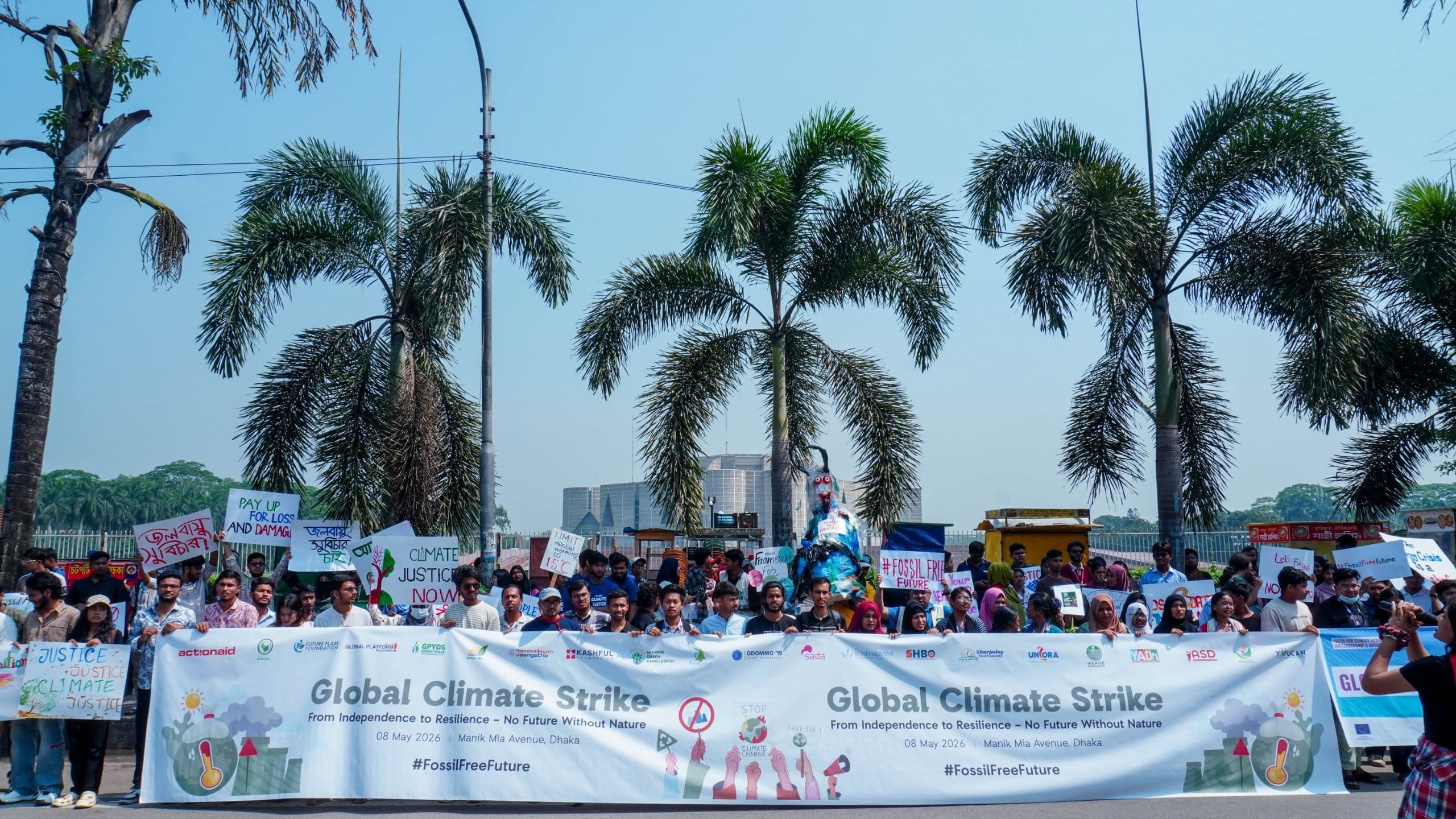
Event
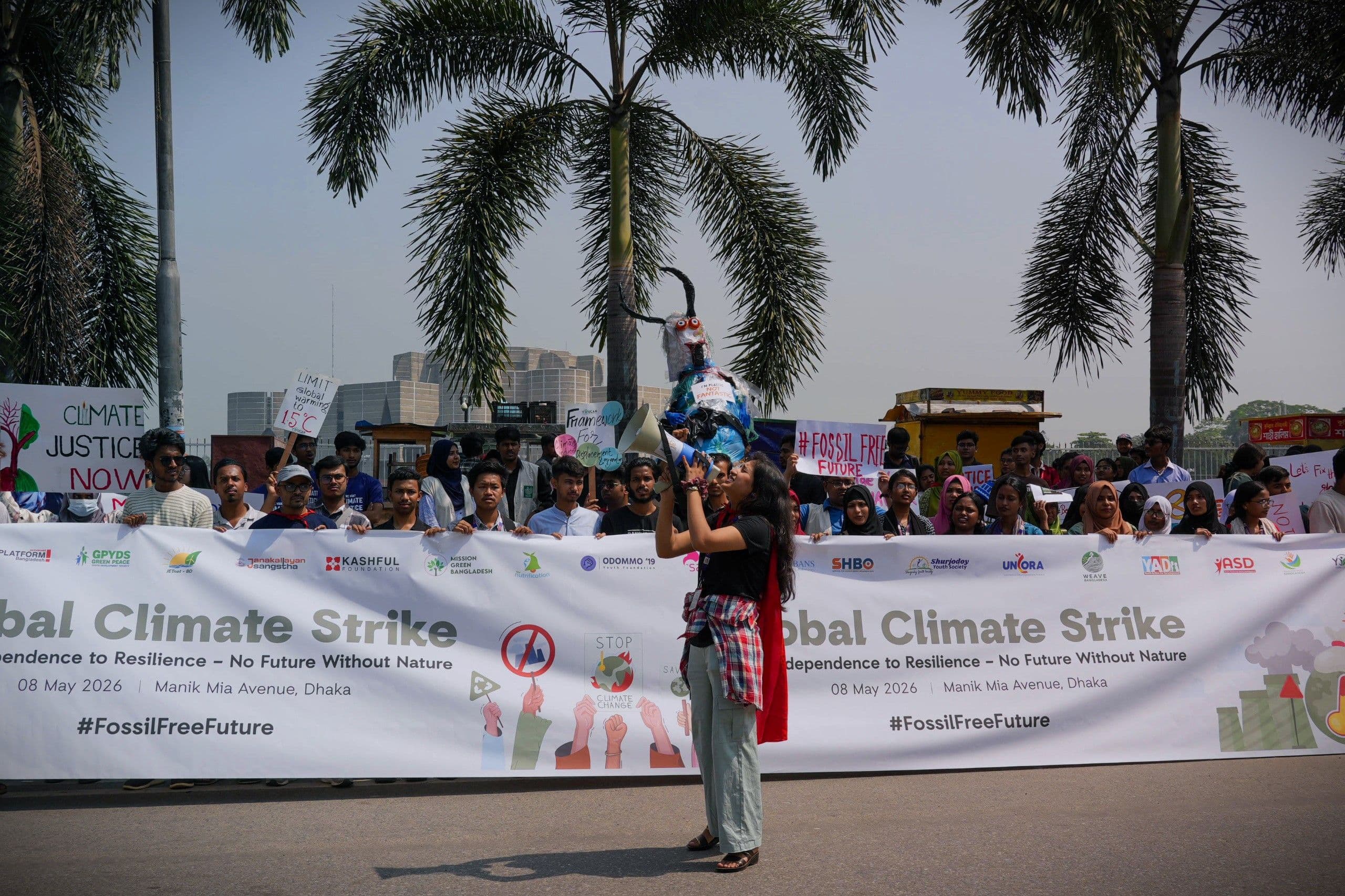
Global Climate Strike 2026
Carrying the slogan “No Future Without Nature”, more than a hundred young people took to the streets on 8 May, 2026, demanding a fossil fuel-free world. The climate strike was held on Friday morning at Manik Mia Avenue in the capital, marking the Global Climate Strike. The programme brought together young representatives from 30 youth organisations across the country and eight global platform youth hubs, alongside ActionAid Bangladesh. During the demonstration, young climate activists called for an immediate end to fossil fuel dependency and demanded a systematic shift towards renewable energy through a just transition. As part of the protest, demonstrators displayed a giant “monster” made from discarded plastic, symbolising the devastating impact of plastic pollution and fossil fuels on the environment. Activists also staged a symbolic performance wearing masks to highlight the health risks associated with fossil fuel use. A rally was later held along Manik Mia Avenue following the gathering. Alongside Dhaka, thousands of young people joined the movement in 27 other districts across the country. Members of the ‘Activista’ network organised marches and rallies in different parts of the country, including Chattogram, Khulna, Barishal and Sylhet, demanding climate justice. The Global Climate Strike is observed worldwide every year under the ‘Fund Our Future’ campaign. In Bangladesh, a broad coalition of youth organisations joined the movement in solidarity with the ‘Fund Our Future’ campaign of ActionAid Bangladesh and the call of . The movement demanding an end to harmful fossil fuels and greater investment in renewable energy includes Ashar Alo Youth Welfare Association, Climate Frontier, EcoBangla, Future Flare Foundation, Green Peace Youth Deployment Society, Janakallayan Shangstha, Kashful Foundation, Mission Green Bangladesh, OAB Foundation (Over All Bangladesh Foundation), Odommo’19 Youth Foundation, Rongmohol for Youth, Rupnator, Society for Action and Development Alternative (SADA), Sharub Youth Team, SHBO (Service for Human Being Organization), Shopno Proyash Jubo Sangstha, Shurjodoy Youth Society, The Nutrification, The Shundarbans, United National Cultural Organization for Rural Area (UNCORA), Weave Bangladesh, Youth Action for Social Development. (YASD), Young Climate Action Network (YOUCAN), Youth Action for Development (YAD), Youth for Uplift Bangladesh
Read MoreUpcoming Events
Ongoing Events
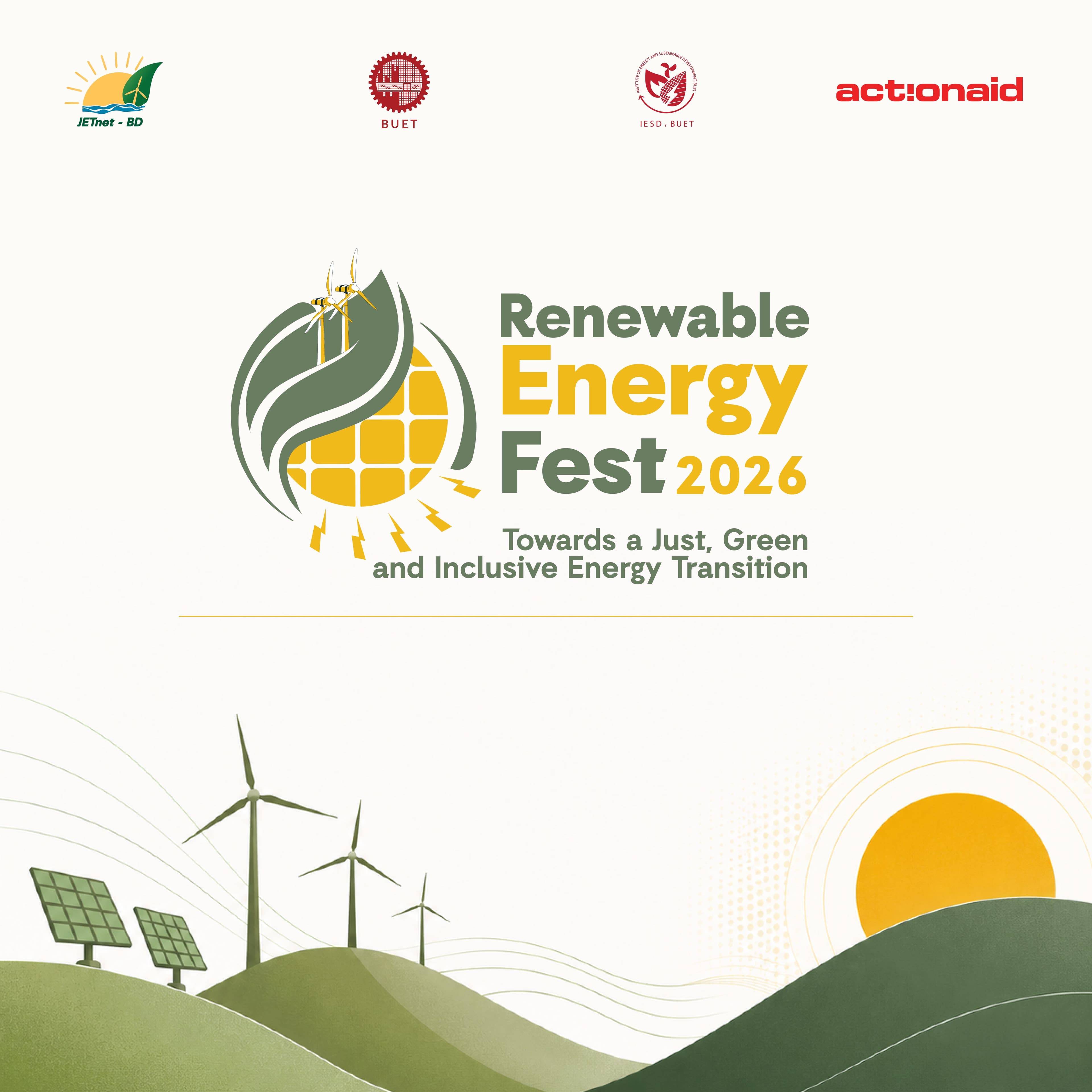
2nd Renewable Energy Fest 2026
Join Renewable Energy Fest 2026 Bangladesh's biggest national platform for a just, green and inclusive energy transition. RE Fest 2026 will bring together 1,000+ participants from government, business, finance, academia, civil society, and regional networks to shape the future of Bangladesh's renewable energy transition. Date: 26–28 October 2026 | Venue: BUET, Dhaka Renewable Energy Fest 2026 (RE Fest’26) jointly organised by ActionAid Bangladesh and Bangladesh University of Engineering and Technology (BUET) in collaboration with Just Energy Transition Network Bangladesh (JETnet-BD) and Institute of Energy and Sustainable Development (IESD), BUET. Nearly 95% of Bangladesh's installed electricity generation still depends on fossil fuels, much of it imported and exposed to volatile global prices and supply disruptions, creating significant economic pressure on industries, businesses, and households. Globally, the picture is changing fast: the IEA projects renewables will overtake coal as the world's largest electricity source by 2026, and neighbours from India to Nepal are scaling up rapidly. Bangladesh has taken its own first steps through the Renewable Energy Policy 2025 and its target to deploy 10,000 MW solar power by 2030. However, the transition must still be made inclusive, accountable and shaped by the people it affects most. Renewable Energy Fest 2026 has been designed to advance exactly that vision; a national platform bringing policymakers, regulators, development partners, investors, innovators, workers, women leaders, youth and communities together for three days of dialogue, exhibition, collaboration and action, building on the momentum of RE Fest’25. Signature Features • Power to the People: Energy Justice Assembly: a pre-Fest rally voicing community demands for a just transition. • Innovation Fair: early-stage prototypes, applied research and grassroots solutions, with seed funding and recognition for the most promising innovation. • Technology Fair: commercially available renewable technologies from leading manufacturers, RESCO and EPC firms. • Innovation-to-Impact Marketplace: live pitching connecting innovators with investors and financiers. • HerEnergy Leadership Hub: spotlighting women's leadership in renewable energy. • Clean Energy Workforce Hub: capacity and market linkages for technicians and installers. • Green Jobs & Career Hub: direct recruitment between employers and jobseekers. • Transition Finance Hub: banks and investors presenting financing instruments. • Government Authorities Hub: direct engagement with SREDA, IDCOL, BEPRC and relevant government agencies. • People & Power Hub: communities and civil society shaping people-centred pathways. • Youth Hub: dialogues, workshops and cultural performances for young leaders. • High-Level Policy Plenaries: four strategic discussion sessions on policy and governance, social and environmental safeguards, innovation and technology, renewable energy financing, incorporating national and regional perspectives. • Awards, Culture and Closing Ceremony: recognising outstanding contributions to the transition. Who should attend: Government ministries and regulators · Development partners and international organisations · Regional policymakers and experts · Corporates, RESCOs and EPC Companies · Investors, banks and financial Institutions · Innovators and entrepreneurs · Researchers and academics · Civil society and community leaders · Youth networks Every hub, plenary, exhibition, and pitching session contributes to one shared outcome: advancing a justice-centred policy and investment agenda for renewable energy in Bangladesh while catalysing partnerships, investments, innovation, and collective action for a just energy transition.
Event
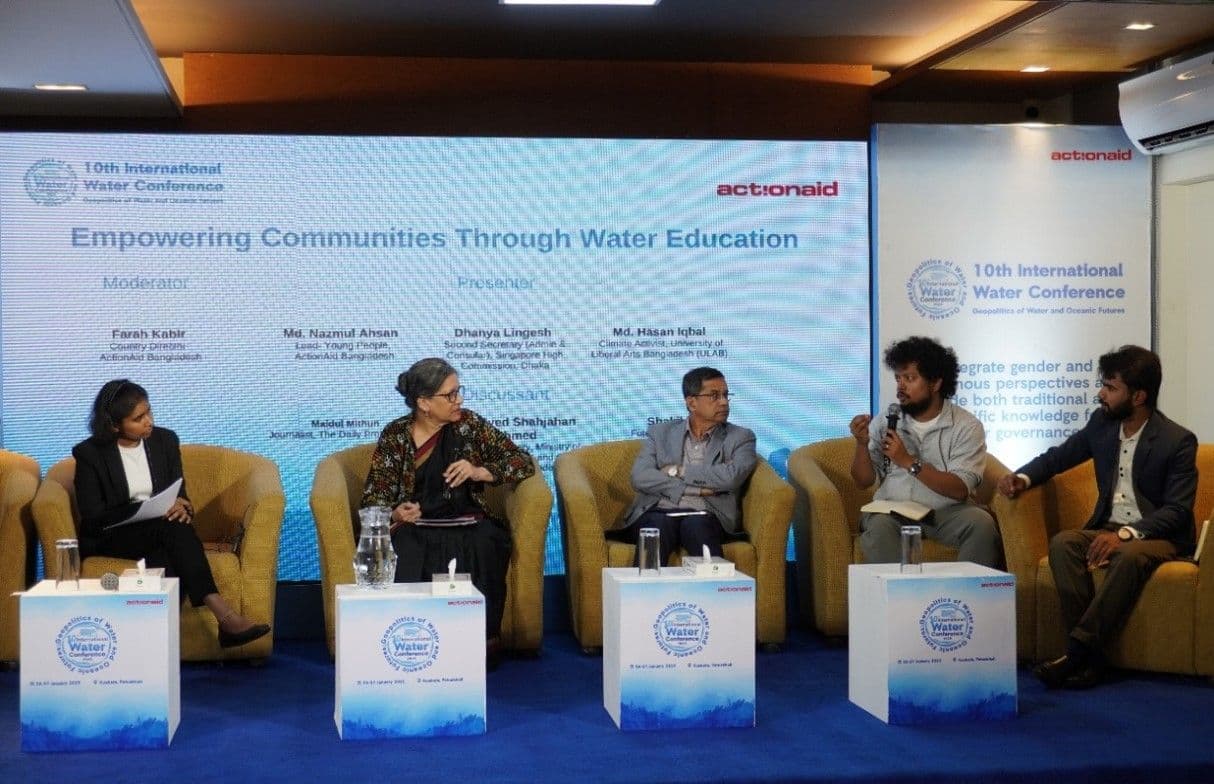
12th International Water Conference
The Hydro Commons and Intersectional Water Justice The 12th International Water Conference (IWC), hosted by ActionAid Bangladesh (AAB), will be held on 24-25 January 2027 . Since 2016, the International Water Conference series has become a flagship global initiative of AAB, bringing together scholars, activists, policymakers, and communities to advance a collective vision of water justice, rights, and accountable governance. Objectives of the Conference The 12th International Water Conference aims to: Conference Themes The 12th International Water Conference will explore five interconnected thematic areas that reflect emerging challenges and opportunities in water, climate, technology, transboundary relations, and coastal ecosystems. Together, these themes will provide space for research, policy dialogue, practice-based learning, and critical reflection on pathways towards more equitable and sustainable water futures. Theme 1: Water Stress and Shared Responsibilities Water stress is increasingly caused by climate change – changing rainfall patterns, groundwater depletion, pollution, competing demands, and growing pressure on freshwater systems. While water stress is often understood through the lens of physical scarcity, it is also economic, social, and political. Thereby, it reflects questions of access, distribution, consumption, responsibility, and unequal pressures on water resources. This theme explores how different actors can contribute to addressing growing water stress; how shared responsibilities, across both domestic and global dimensions, can support sustainable, equitable, and resilient water futures. It will also cover the role of water conservation, responsible water use, ecosystem protection, and collective action in responding to increasing water insecurity. Theme 2: Politics of Transboundary Water Water systems transcend political boundaries, making transboundary cooperation essential for sustainable water management and regional stability. Bangladesh's rivers and water systems are closely connected with upstream and downstream developments, leading to questions of river flows, equitable sharing, data exchange, ecological sustainability, and cooperation particularly significant. This theme will examine the political, ecological, and institutional dimensions of transboundary waters, with particular attention to the possibilities of cooperation, dialogue, and water peace. It will explore how shared water systems can become spaces of collaboration rather than contestation. Theme 3: Water Equity and Climate Risk Climate change is intensifying water-related risks through floods, droughts, cyclones, sea-level rise, erosion, changing rainfall patterns, and salinity intrusion. Across the South Asian region, increasing salinity and freshwater stress pose significant challenges to water security, ecosystems, agriculture, livelihoods, and human well-being. This theme will explore the relationship between climate risk, salinity, and equitable access to water. It will consider how climate impacts are differentiated across geographical and social contexts and how adaptation, resilience, and water-related interventions can address existing inequalities. Theme 4: Water Futures – Technological Innovation and Beyond Rapid developments in artificial intelligence, remote sensing, digital technologies, data analytics, and predictive systems are creating new possibilities for addressing water-related challenges. These technologies can support water monitoring, forecasting, early warning, climate risk assessment, water quality management, water justice, and evidence-based decision-making. However, technological innovation also raises questions around digital access, data ownership, transparency, accountability, affordability, and the risk of creating new forms of exclusion. This theme will explore how technology can contribute to inclusive and equitable water futures while ensuring that innovation remains accessible, responsible, and responsive to real-world needs. Theme 5: Blue Economy and Coastal Water Governance Coastal and marine ecosystems play a critical role in climate regulation, biodiversity conservation, livelihoods, food security, and coastal resilience. Mangroves, tidal wetlands, estuaries, and other blue carbon ecosystems provide important ecological services while also supporting economic activities and livelihoods. Growing interest in blue carbon and the blue economy creates opportunities for climate action. But at the same time, it raises important questions around ecological integrity, resource use, benefit-sharing, and the governance of coastal and marine resources. This theme will explore how blue carbon approach and coastal water governance can contribute to sustainable coastal futures while balancing environmental protection, economic interests, and equity. Event Modality The 12th International Water Conference 2027 will be held both online and offline. Details will be shared later. Expected Outcomes • A stronger conceptual and practical understanding of the Hydro Commons and its relevance to contemporary water justice. • Enhanced dialogue on transboundary water cooperation and water peace. • Greater attention to intersectional water insecurity, particularly in the context of climate risk. • Critical and constructive perspectives on AI, digital technologies, and inclusive water futures. • Strengthened connections among researchers, policymakers, activists, and practitioners across countries and regions. Abstract Submission Deadline: 31st October 2026 Submit Your Abstract: The story behind Hydro Commons Water is central to our lives, livelihoods, cultures, and ecosystems. Rivers, wetlands, groundwater, and coastal waters are closely connected, but they are under growing pressure from climate change, pollution, overuse, environmental degradation, and unequal access. The idea of the Hydro Commons invites us to see water not simply as a resource, but as a shared and living system that connects people, nature, and generations. It calls for greater care, shared responsibility, and collective stewardship of water. Water justice is also shaped by histories of inequality and environmental loss. The impacts of water insecurity are not the same for everyone. Floods, droughts, salinity, erosion, pollution, and freshwater shortages often affect vulnerable areas more severely, while the benefits of water resources and development are not always shared fairly. This raises important questions about reparations, responsibility, restoration, and fairness, and how past and present water-related injustices can be addressed. For Bangladesh, these challenges are particularly important. The country’s rivers, wetlands, floodplains, and coastal ecosystems are increasingly affected by sea-level rise, salinity intrusion, floods, cyclones, droughts, changing rainfall, and river erosion. Bangladesh shares 57 transboundary rivers, making cooperation and equitable water sharing essential. Changes in river flows can increase freshwater shortages, salinity, and ecological pressure, especially in the southwest and coastal areas. Ensuring sustainable shared rivers requires greater cooperation, trust, sharing of information, and a stronger focus on water peace. Contact Us Email: internationalwaterconference@gmail.com
Media Coverage
Media Coverage
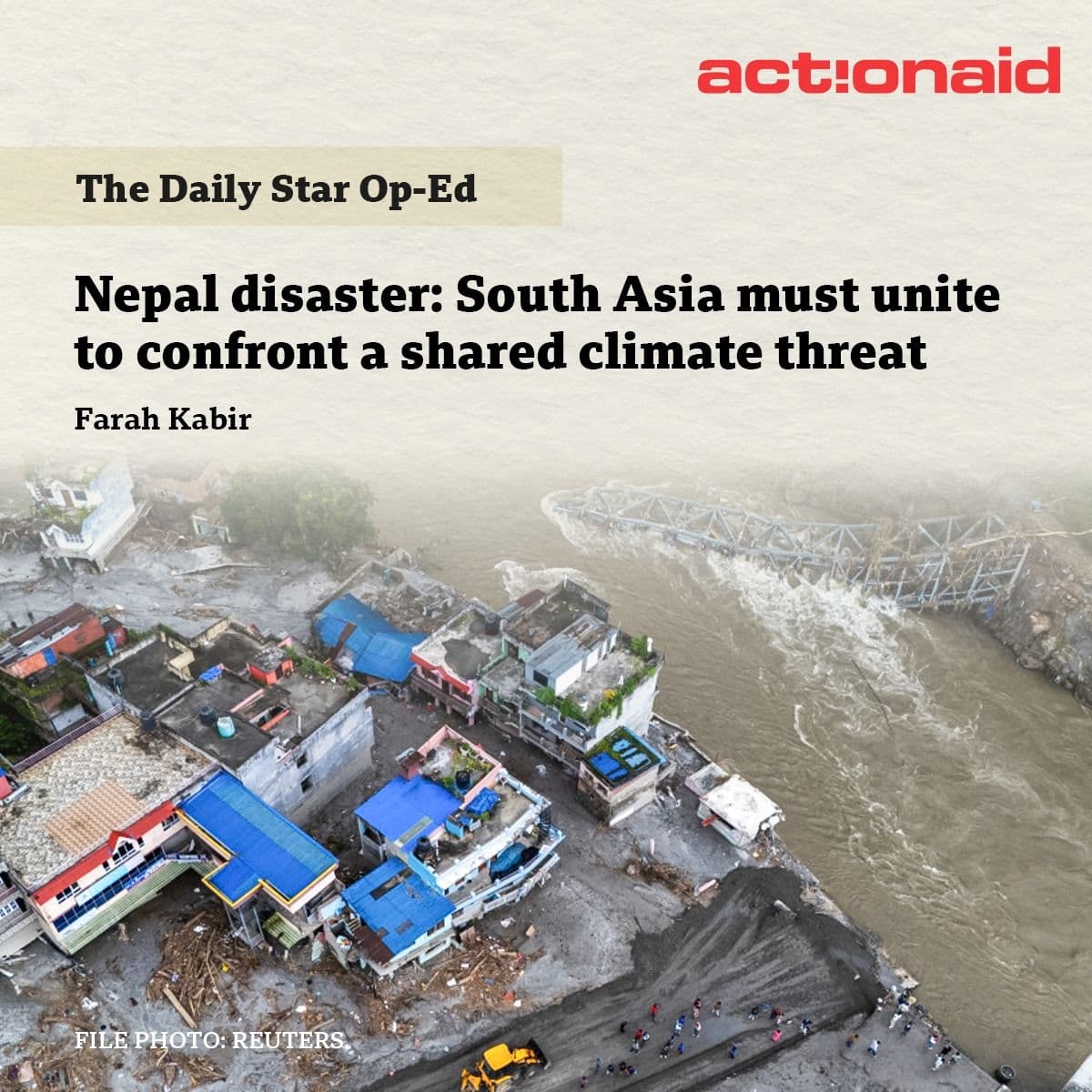
Nepal disaster: South Asia must unite to confront a shared climate threat
In her latest op-ed in The Daily Star, AAB Country Director Farah Kabir outlines a way forward. She calls for Nepal, Bangladesh and other South Asian countries to build a united diplomatic position to demand structural compensation for climate-related loss and damage. At the same time, women’s leadership and meaningful participation must be at the heart of climate disaster response, with their voices reflected in climate finance and regional water policies. Read the full op-ed:
Read More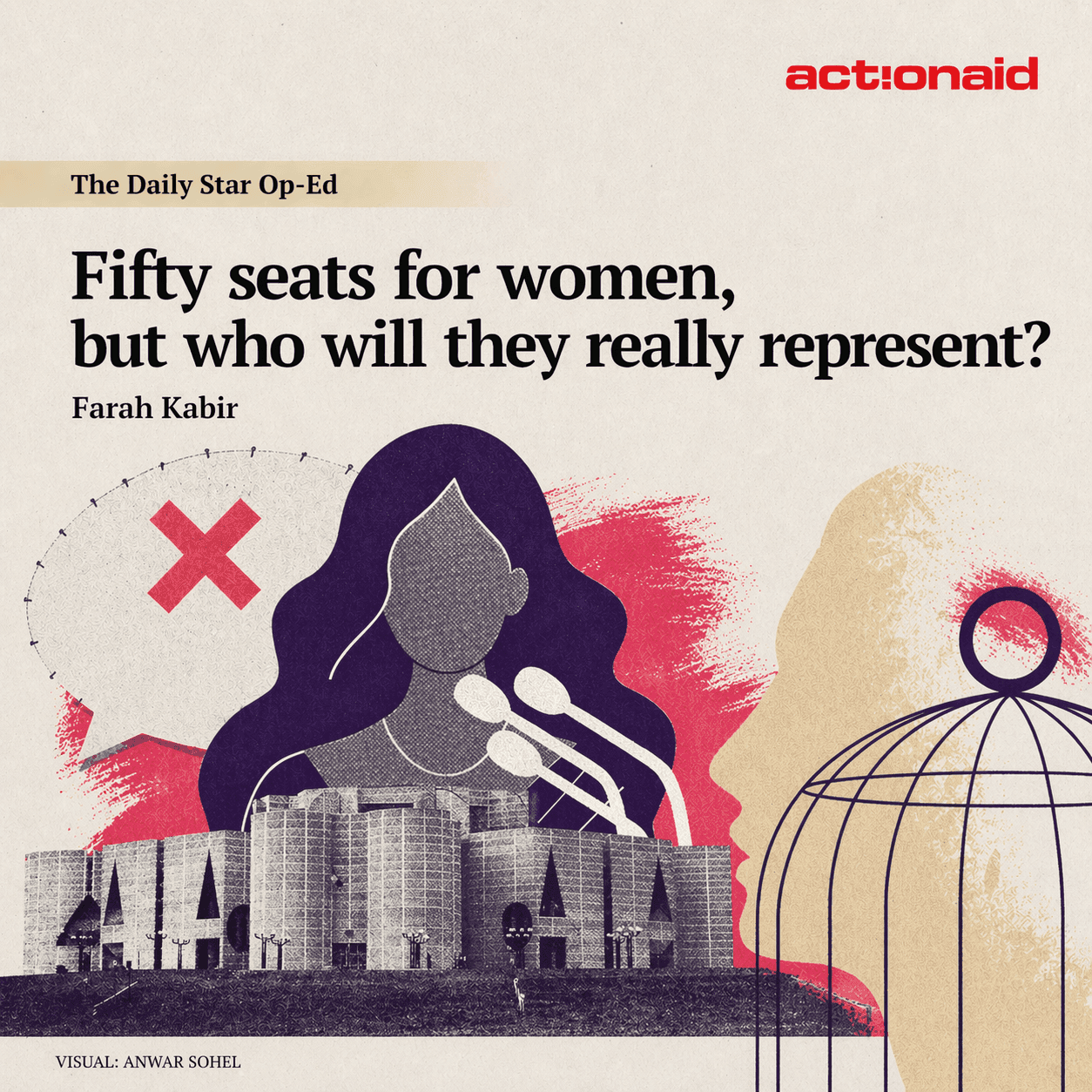
Media Coverage
Fifty seats for women, but who will they really represent?
By mid-May, the parliament will have completed the process of filling the 50 reserved seats for women. On Monday, the ruling BNP announced the names of its candidates for the 36 seats allocated to it in proportion to its representation in parliament, while Jamaat-e-Islami and others are expected to announce theirs soon. But in the wake of a mass uprising that intensified calls for parliamentary reforms—including increasing women’s reserved seats and holding direct elections for them—this otherwise routine procedure has become a test of whether the country is willing to move from symbolic inclusion to meaningful power-sharing. And unless the current system is fundamentally reimagined, it risks reinforcing the very inequalities it claims to dismantle. Ensuring equal participation and representation of women in parliament is not just a matter of democratic justice; it is foundational to democracy itself. But representation must go beyond tokenistic gestures. It must reflect the full diversity of women’s lived realities across class, ethnicity, religion, disability, and identity. Without this, inclusion becomes illusion, and democracy becomes exclusionary by design. Globally, women remain underrepresented in political life, particularly in decision-making roles. For women from historically marginalised communities, the barriers are even steeper. While many countries have adopted gender quotas to close the representation gap, few have meaningfully addressed the layered disadvantages faced by minority women. Intersectionality remains the missing piece in most political systems, including Bangladesh’s, where structural inequalities continue to shape who gets to speak, who gets to lead, and who gets left behind. The promise of gender parity in political leadership was set out decades ago, but progress has been uneven and, in many cases, superficial so far. Women continue to face structural barriers to participation: entrenched social norms, limited access to resources, and systemic discrimination within political parties themselves. These constraints shape their confidence, mobility, and access to political networks, ultimately limiting women’s capacity to lead and to act in the best interests of their communities and the nation at large. The system of reserved seats for women in parliament has undeniably increased numerical representation. But numbers alone do not equal power. Too often, women elected to these seats are treated as second-tier legislators—without direct constituencies, without independent mandates, and without meaningful control over resources. Their political survival depends not on voters, but on party leadership, reinforcing a hierarchy that sidelines their agency. In such a setting, accountability flows upwards, not outwards. When MPs owe their positions to party patronage rather than public trust, their ability and willingness to challenge party lines or advocate for transformative change is curtailed. Reserved seats, in this context, risk becoming a ceiling rather than a foundation—a mechanism that contains women’s political empowerment rather than expanding it or strengthening democratic accountability. Across the country, violence against women in politics, whether physical, psychological, or digital, remains pervasive. In the past, we have seen how women MPs have sometimes faced harassment, intimidation, and gendered attacks aimed at silencing them or diminishing their credibility. Without proper institutional safeguards and enforcement mechanisms, as well as cross-party commitments to address such abuses, the political arena will remain hostile terrain for many, deterring future generations of women leaders. Media representation often compounds this problem. Women politicians are still judged less by their ideas than by their appearance, marital status, or personal lives. This trivialisation not only undermines individual leaders but also reinforces broader societal biases that discourage women from entering public life. Given these realities, we must rethink how women are represented in politics, especially in parliament. Political parties must open up their nomination processes. At a minimum, they should be required to publish transparent, merit-based criteria for selecting women to reserved seats, prioritising prior demonstration of leadership, community engagement, and public service over loyalty to or relationships with party elites. At the same time, reserved-seat MPs must be meaningfully connected to citizens through mandatory constituency linkages or structured public consultation mechanisms so that their accountability extends beyond party hierarchies to the people. And most importantly, we must move to direct elections for these seats. Having cross-party women’s caucuses is also important. These platforms can enable women MPs to collaborate across political divides, advancing a shared agenda on issues such as gender-based violence, equitable budgeting, and social inclusion. But caucuses cannot function on symbolism alone; they require institutional backing and recognition to influence legislation, oversight, and national priorities. There are models to draw from. In some advanced democracies, women’s parliamentary forums have shown that when women organise collectively, they can shift national priorities and hold systems accountable. Bangladesh does not lack capable, committed women leaders. What it lacks is a political structure that fully enables them to exercise power independently and effectively. As the time for finalising reserved seats approaches, the public has a right to demand answers to the concerns surrounding these seats. The question is no longer whether enough women will be in parliament. The question is whether they will be allowed to matter, and sufficiently empowered to make a difference. Author: Farah Kabir, Country Director, ActionAid Bangladesh Source:
Read More
Media Coverage
Women sidelined in national politics
Experts regret 4% candidates were female. Ahead of International Women’s Day on March 8, ActionAid Bangladesh and Prothom Alo jointly organised an event at a city hotel on March 5. At the programme, women who contested the February 12 election shared their experiences. Experts and politicians have raised alarm over the fact that women made up only around four percent of the candidates in the 13th national election. Referring to the seven women who were elected as members of parliament, they said overcoming obstacles to participating and winning in the polls carries special significance for women in politics. To ensure women’s participation in politics and policymaking, coordinated initiatives must be taken, they added. Speakers made these remarks at a dialogue and award ceremony titled “Ensuring Women’s Leadership and Protection in Politics”. “If women are vital as voters, why is their leadership always questioned?” asked Rasheda K Chowdhury, executive director, Campaign for Popular Education (CAMPE). “We are yet to accord women the dignity they deserve. Our nation was founded on equality, yet women are being sidelined,” she added. Rumeen Farhana, who won as an independent candidate from Brahmanbaria‑2, delivered a scathing critique of societal double standards. “We are ready to see strong women as daughters or sisters, but not as partners in change,” she said, calling for an end to the “good girl” stereotype that stifles political ambition. Supporting this, Nayab Yusuf Ahmed, the BNP candidate who won from Faridpur‑3, highlighted how marginalised women are denied basic rights, with their vulnerabilities “exploited to confine them within the home”. Tasnim Jara, who contested independently from Dhaka-9, exposed the political machinery that treats women as tokens, not decision-makers. She noted that while women drive grassroots campaigning, “male-dominated structures” systematically block them during the nomination stage. She also critiqued the reserved seat system, arguing it renders women “more accountable to party leadership than to voters.” Leader of the Socialist Party of Bangladesh (Marxist) Sima Dutta said that women are often treated as third-class citizens across sectors, from agriculture to garments. She called for equal pay, legal recognition of women in the informal sector and stronger government action against discriminatory attitudes. The dialogue also highlighted a chilling rise in violence against women. Morium Nessa, Lead for Women’s Rights at ActionAid, presented data showing a 52.3 percent increase in reported rape cases in 2025 compared to 2024. In January 2026 alone, 272 cases of violence against women and girls were reported. Furthermore, the dialogue revealed a massive institutional failure: 39 percent of the country’s universities still lack sexual harassment prevention committees. ActionAid Country Director Farah Kabir hailed the candidates as the “bravest citizens” for navigating hostile conditions. “We do not seek only an increase in numbers. We seek meaningful change. Ensuring women’s safety and dignity remains the greatest challenge,” she said. Meanwhile, Prothom Alo Editor Matiur Rahman admitted that civil society and the media could have offered stronger support to independent women candidates. Expressing optimism that women’s participation and visible presence in the next election will increase significantly, he said, “If we all work together in the days ahead, we can play a more effective role in strengthening women’s leadership.” The session concluded with a call for stricter enforcement of laws against gender-based violence, robust cyber-safety measures, and a genuine shift in party cultures to move beyond “lip service” to equality. A highlight of the event was an interactive forum theatre performance titled “Chena Porobash” presented by theatre group Palakar. Through drama, the performance illustrated child marriage, workplace harassment and the challenges faced by women candidates during elections. Among those present were the British High Commission’s Social Development Adviser Tahera Jabeen, Sharmin Islam, Gender Team Leader at the United Nations Development Programme Bangladesh, Korvi Rakshand, founder of JAAGO Foundation, and Sadaf Saaz of the National Political Rights Forum. Women candidates present included Meghna Alam of Ganodhikar Parishad, Taslima Akter of Ganosamhati Andolon, independent candidate Anwara Islam Rani, Barrister Nasrin Sultana Mili of AB Party, and Arifa Akter Baby of the Jatiya Samajtantrik Dal. Source:
Read More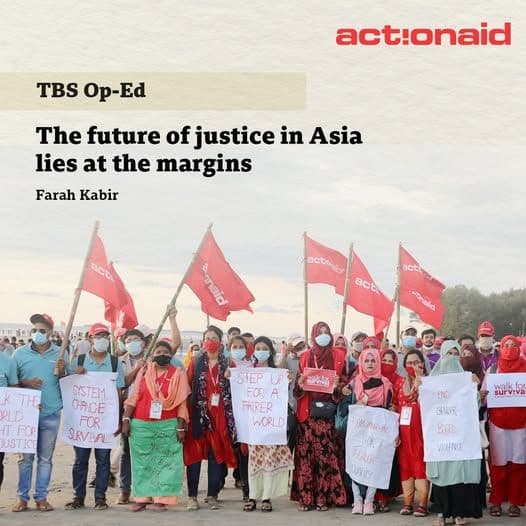
Media Coverage
The future of justice in Asia lies at the margins
Asia is no longer managing isolated crises. It is entering an age of polycrisis, where climate shocks, economic insecurity, democratic strain, displacement and deepening inequality collide. The political question is no longer simply how to manage disruption. It is whether institutions can retain legitimacy while societies are already being forced to transform. These crises do not unfold separately. A flood becomes unemployment. Unemployment becomes migration. Migration becomes exploitation. Economic insecurity deepens gender-based violence. Climate shocks intensify food stress and political anxiety. Across every rupture, it is care — largely unpaid and feminised — that absorbs the damage. Young people inherit not stability, but permanent uncertainty. Yet much of the policy and development response still treats these realities as separate domains: climate as environmental policy, labour as economics, gender as social inclusion, migration as humanitarian management and youth as engagement programming. But life is not lived in sectors. A young informal worker displaced by climate disaster does not separate survival from dignity, labour from gender justice or mental health from economic insecurity. A woman in an informal settlement does not experience "gender" apart from food prices, violence, housing and climate risk. A migrant worker does not separate exploitation from the political and economic systems that made exploitation possible. The development architecture that shaped much of Asia's institutional response was built for isolated problems. It is increasingly mismatched with a region defined by interconnected shocks and accelerated transition. The deeper crisis, however, is not only systemic. It is narrative. Too often, dominant stories still frame communities as vulnerable, women as victims, youth as future leaders, informal workers as invisible and climate-affected populations as passive recipients of aid. But across Asia, those most affected by crisis are already leading transformation. Informal workers sustain economies that formal systems depend on but rarely recognise. Women hold together households and communities through unpaid care work, mutual aid and survival networks. Young people are building political and digital movements outside traditional institutions. Climate-affected communities are redesigning livelihoods, migration pathways and adaptation strategies in real time. The future is already being made at the margins. In Bangladesh, this is visible in the coastal belt, where salinity, flooding and displacement are reshaping everyday life. It is visible in the informal settlements of Dhaka, where workers keep urban economies functioning while carrying extraordinary insecurity. It is visible in women-led community networks that quietly absorb the hidden burdens of food, care and survival. These are not exceptions. They are early signals of how transition is already being negotiated across Asia. Feminist political economy has long helped make this visible. Economies do not simply run on markets and productivity. They also depend on care, social reproduction and community resilience — work that is systematically undervalued because women disproportionately carry it. As Vandana Shiva has argued for decades, the real crisis is not scarcity itself, but systems that destroy ecological and social resilience while concentrating power. Across Asia, what communities are defending is not only livelihood, but life itself: dignity, autonomy and the right to survive without being sacrificed to extractive models of growth. From this perspective, polycrisis is not gender-neutral. It is intensified by patriarchal systems that normalise unequal care burdens, unequal safety, unequal wages and unequal access to decision-making power. That matters politically. The concentration of power still determines whose labour is visible, whose suffering is normalised, whose knowledge counts and whose futures are prioritised. Ignoring youth precarity, informal labour insecurity and unequal care burdens is no longer only a social failure. It is a governance risk. Yet institutional responses often return to the language of resilience — the ability of communities to absorb shocks and continue functioning. But resilience without justice can become a dangerous idea: a way of asking people to endure systems that continue to harm them. The question is not only how communities cope. It must also be why they must. More urgently, it must ask what has to change so that survival is not the permanent condition of the most marginalised. This is where feminist movements across Asia offer more than critique. They offer political direction. For decades, they have argued for redistribution of power and resources, recognition of care economies, labour protections for informal and precarious workers, bodily autonomy, freedom from violence, and climate justice rooted in equity rather than extraction. In other words, the challenge is not simply inclusion. It is a transition. If institutions are serious about remaining relevant, they must move beyond inclusion as language and towards redistribution as practice: from beneficiaries to co-creators, from participation to decision-making power, from service delivery to systems change, and from institutional authority to community legitimacy. The institutions that will matter in the next decade will not simply be those that manage emergencies more efficiently. They will be those willing to recognise that the people most affected by the crisis are already designing alternatives — through informal economies, feminist networks of care, youth-led mobilisation and community-led adaptation. Relevance today is not about sounding progressive. It is about deciding whether institutions are willing to transform alongside the world that is already changing around them. In an age of polycrisis, the question is no longer whether change is coming. It is whether those with power are willing to follow those who are already leading it. Author: Farah Kabir, Country Director, ActionAid Bangladesh Source:
Read MoreSocial Media
YouTube
Facebook